

Quick answer
Walking to Sólheimajökull without a guide is free: entry costs 0 ISK and the site is open 00:00–23:59, seven days a week. That applies to the marked trail from the car park to the glacier lagoon, not to the ice. Stepping onto the glacier itself calls for a certified guide, crampons and rope work, whatever the season.
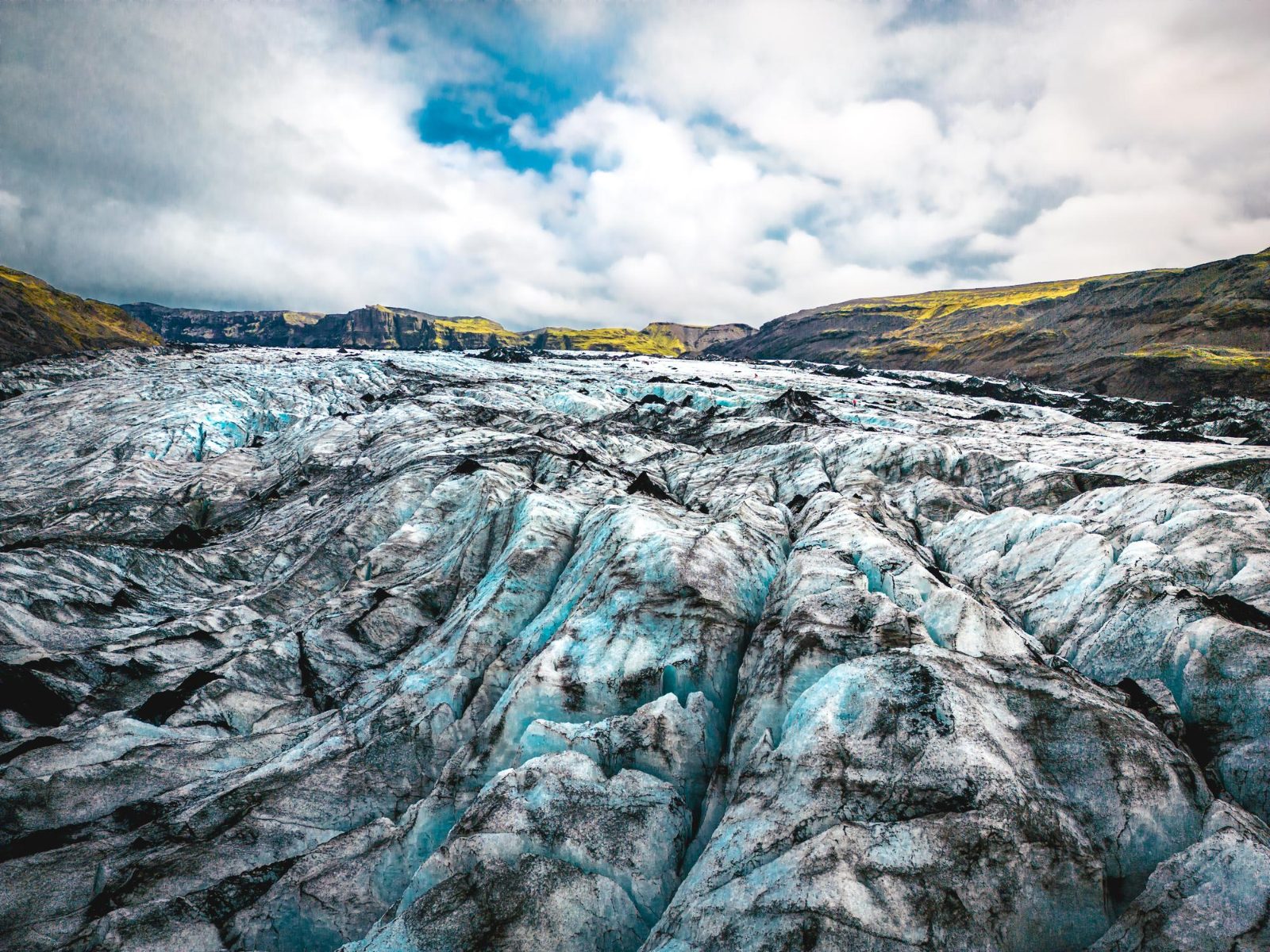
Sólheimajökull did not always end in water. The lagoon that now sits at its snout opened up as the ice pulled back close to a kilometre since the turn of the century, and the gravel path visitors follow today crosses ground that was buried under this outlet of Mýrdalsjökull within living memory. That retreat is why a Sólheimajökull glacier hike without guide is a more layered question than it first appears. Two different outings share one trailhead. The first is the marked track that runs from the car park along the moraine to the shore of the proglacial lagoon, where the blackened terminus is visible across the water; it is public, it costs nothing, and no company controls it. The second begins where the gravel stops and the ice starts — a self-guided glacier walk at Sólheimajökull is not a longer version of the first walk but a different discipline, worked with crampons, rope and a helmet across crevasses and moulins that shift through the season. Signage from the landowners and from ICE-SAR volunteers marks that boundary plainly. Icelandic searches for jöklaganga á Sólheimajökli return the same split, and so does the wider market for South Iceland glacier hikes: independent visitors take the viewpoint, certified operators take the ice. Knowing which of the two a trip needs settles most of the planning that follows. Travellers based in Vík or passing along the Ring Road often arrive expecting a single decision at the car park and find instead that the choice was made hours earlier, when they either booked a licensed walk or did not. Neither option is wrong; they simply produce different days. The practical takeaway is narrow. Anyone researching a Sólheimajökull glacier hike without guide should treat the lagoon trail as the unaccompanied experience and treat the ice itself as booked terrain, then use the sections below for timing, approach, packing and the errors that catch first-time visitors. The glacier's front moves; the distinction between looking at it and walking on it does not.
“The glacier's front moves; the distinction between looking at it and walking on it does not.”
Sólheimajökull Glacier Hike Without Guide: Best Time to Visit
The best time to visit is early in the day, especially from 00:00–09:00, when light is softer and visitor traffic is usually lower. For a guide-free glacier-margin visit, that early window is also the most practical because conditions can shift quickly through the day, so you want the clearest visibility and the calmest weather window possible.
Summer months (June–August)
Higher mid-day traffic8–15°C, fast-changing weather
Daylight is long, but crowds build later and the glacier margin can change quickly with melt and surface softening. If you go in summer, start early and keep the visit short and flexible.
Spring and autumn (April–May, September–October)
Moderate crowds0–10°C, variable wind and showers
These shoulder months often balance better visibility with fewer visitors. Early arrivals get the best light and a better chance of steadier footing before temperatures and melt effects build.
Winter months (November–March)
Low crowds−10–5°C, cold and icy
Crowds are usually thinner, but light is limited and the surface can be harder to read. Go only in a clear, well-lit window and leave extra margin for changing conditions.
Weekday mornings
Fewest visitors—
This is the calmest daily rhythm for the area. It pairs best with the site’s best arrival window of 00:00–09:00, when you can assess conditions before the day warms up.
Verdict: Tuesday to Thursday, arriving between 00:00 and 09:00, is the best practical slot, with April or October as the best shoulder-season months.
How to Reach Sólheimajökull Glacier Hike Without Guide
Sólheimajökull sits off Road 221 in South Iceland, east of Skógar and close to the Ring Road corridor. For a guide-free visit, the practical goal is to navigate to the glacier access car park rather than looking for a formal entrance gate, since the approach is by road and parking area.
Route 1 (Ring Road) to Road 221, then follow signs to Sólheimajökull access parking
From the car park, follow the marked path to the glacier viewpoint and access area
Ask for Sólheimajökull glacier car park on Road 221
No direct scheduled public bus to the glacier access point; use a bus to Vík, then continue by taxi
Sólheimajökull Glacier Hike Without Guide: Mistakes to Avoid
Sólheimajökull is free to enter and open around the clock, which makes it easy to treat the glacier as a casual walk. Most problems here come from stepping onto ice without equipment or misreading how fast conditions change.
Walking onto the ice without crampons or a guide
Stay on the marked gravel path along the lagoon and the moraine viewpoints; walking on the glacier itself requires crampons, an ice axe, rope skills and a certified guide.
Ignoring the warning signs at the glacier front
Read and follow the posted signs before the lagoon edge. They mark unstable ground, calving zones and areas closed after recent collapse, and they are updated more often than any online description.
Standing close to the ice edge or the lagoon shore
Keep well back from the terminus and the water. Ice blocks break off without warning, the lagoon shore undercuts, and the meltwater is cold enough to cause rapid incapacitation.
Assuming the path is the same as last year
The glacier retreats and the trail is rerouted, so distances and turning points change. Check the current route at the signboard rather than relying on an older map or blog post.
Underestimating wind and rain on exposed moraine
Expect horizontal rain, sudden gusts and low visibility in an open valley with no shelter. Turn back when visibility drops rather than pushing further along the ridge.
Treating dark ice or thin snow cover as solid
Ash-covered ice is slick, and snow bridges hide crevasses and meltwater channels near the margin. Avoid any snow-covered ice and stay on bare rock and gravel.
Sólheimajökull Glacier Hike Without Guide: Pre-Visit Checklist
Work through these checks in order, starting a few days out and finishing in the car park, so your plan for Sólheimajökull is verified rather than assumed.
-
Read current warnings on safetravel.is — Official alerts flag closures, flooding and unstable ground at the glacier tongue.
-
Check the forecast on vedur.is — Wind and visibility on the lagoon path change faster than inland forecasts suggest.
-
Confirm road status on road.is — Route 221 is a short gravel spur that can close or wash out.
-
Decide viewing margin or ice — Walking onto ice needs a guide, ropes and crevasse training you likely lack.
-
Pack waterproof boots with ankle support — The marked path is loose moraine, meltwater channels and wet volcanic grit.
-
Bring windproof layers, hat and gloves — Katabatic wind off the ice makes the shoreline far colder than the car park.
-
Download offline maps beforehand — Mobile coverage drops out along the approach and near the lagoon edge.
-
Tell someone your return time — There is no staffed warden post to notice if you do not come back.
Near Sólheimajökull Glacier Hike Without Guide
A visit to Sólheimajökull fits naturally into a South Coast driving day, especially if you are combining glacier views with waterfalls, black-sand coastline, and short photo stops. The strongest pairings are close enough to keep the route efficient without turning the day into a long detour.
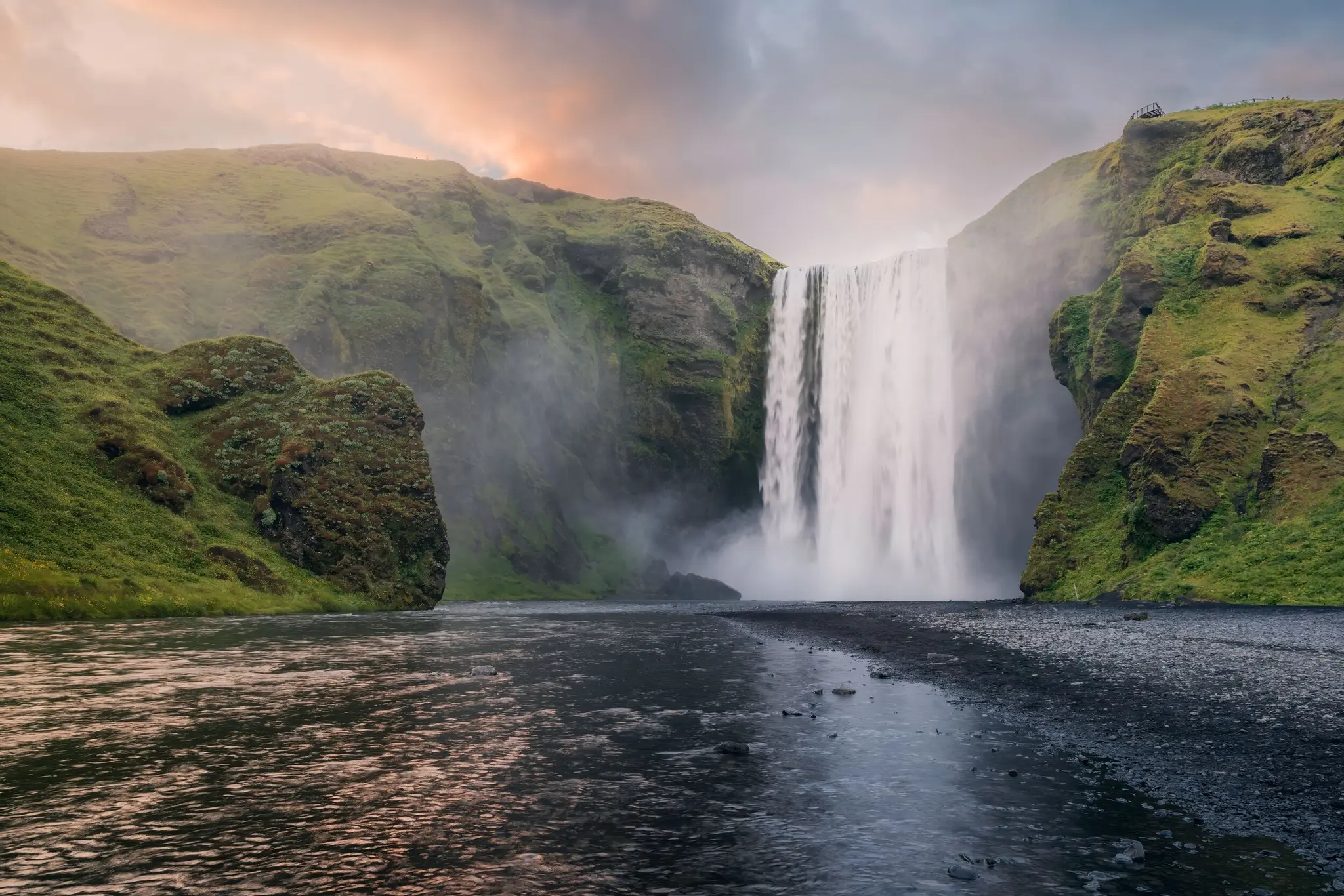
Skógafoss
This is the easiest classic add-on after the glacier, with a straight inland stop before or after the coast. It pairs well if you want one major waterfall and a short walking pause in the same day.
South Coast waterfall
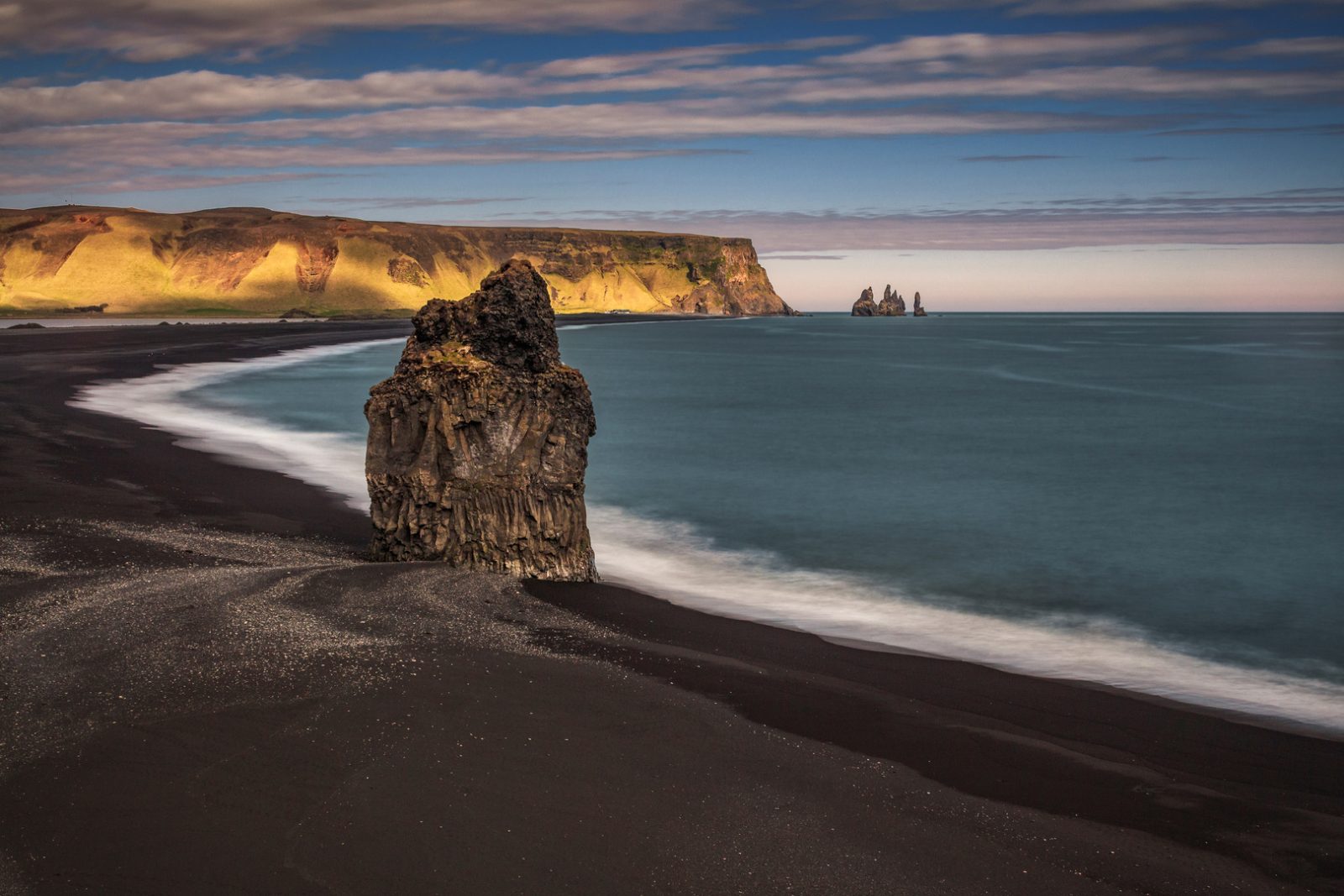
Reynisfjara Beach
Reynisfjara works well as the coastal contrast to Sólheimajökull, shifting the day from ice to black sand and basalt cliffs. It is a natural second half of a south-coast loop toward Vík.
basalt columns Iceland
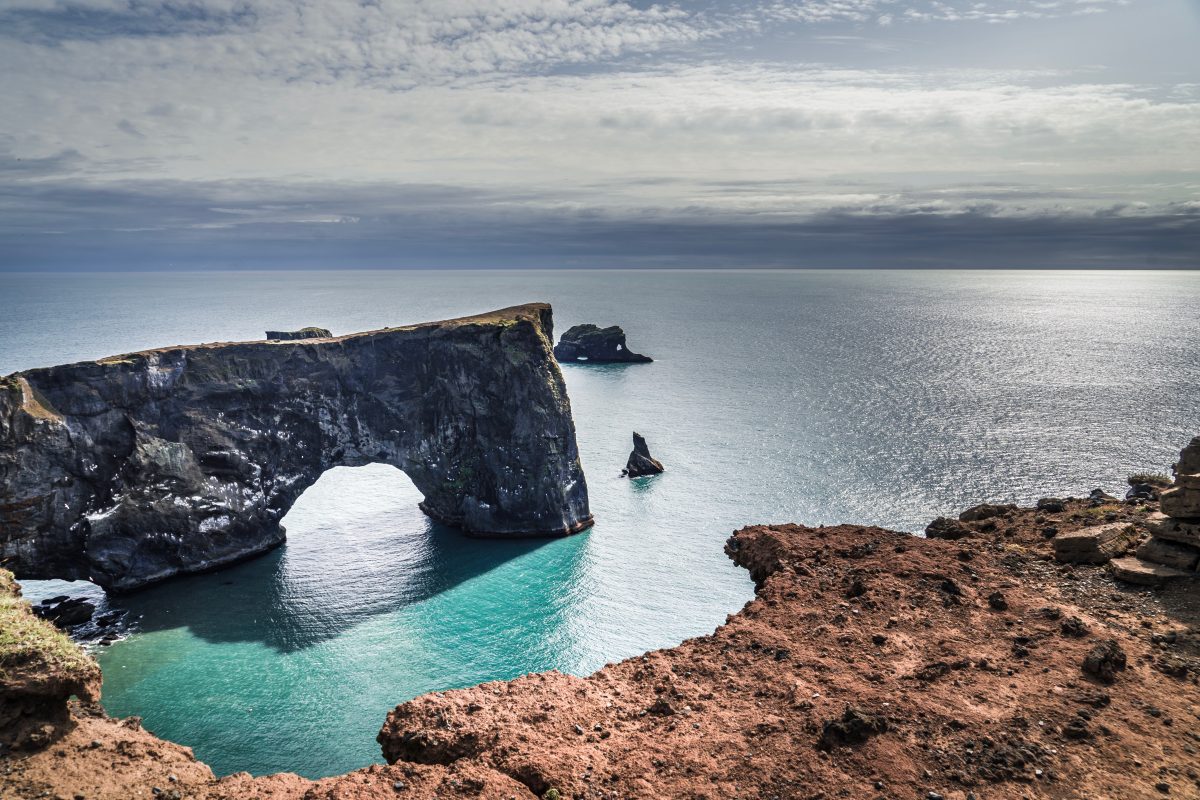
Dyrhólaey
Dyrhólaey fits well with Reynisfjara because it adds a nearby headland viewpoint without much extra driving. Use it when you want a wider look at the coastline rather than another long stop.
coastal arch lighthouse
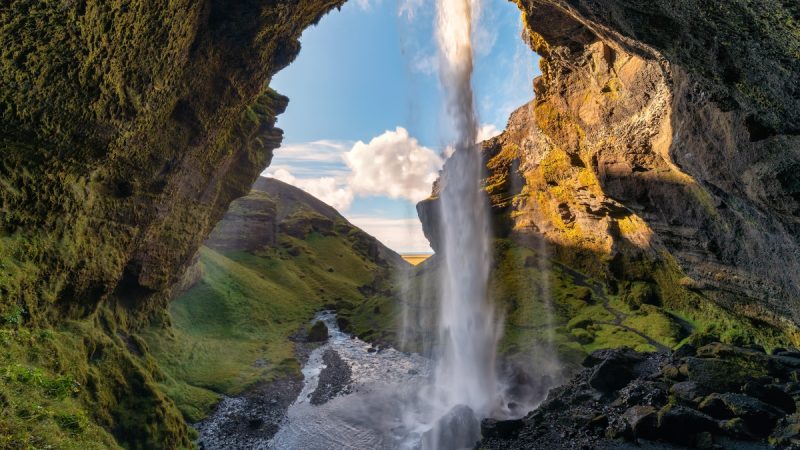
Kvernufoss
Kvernufoss is a good quieter waterfall add-on if you want a shorter, less crowded stop than the main roadside sights. It works especially well when you are building a one-day South Iceland loop around Skógar.
hidden waterfall trail
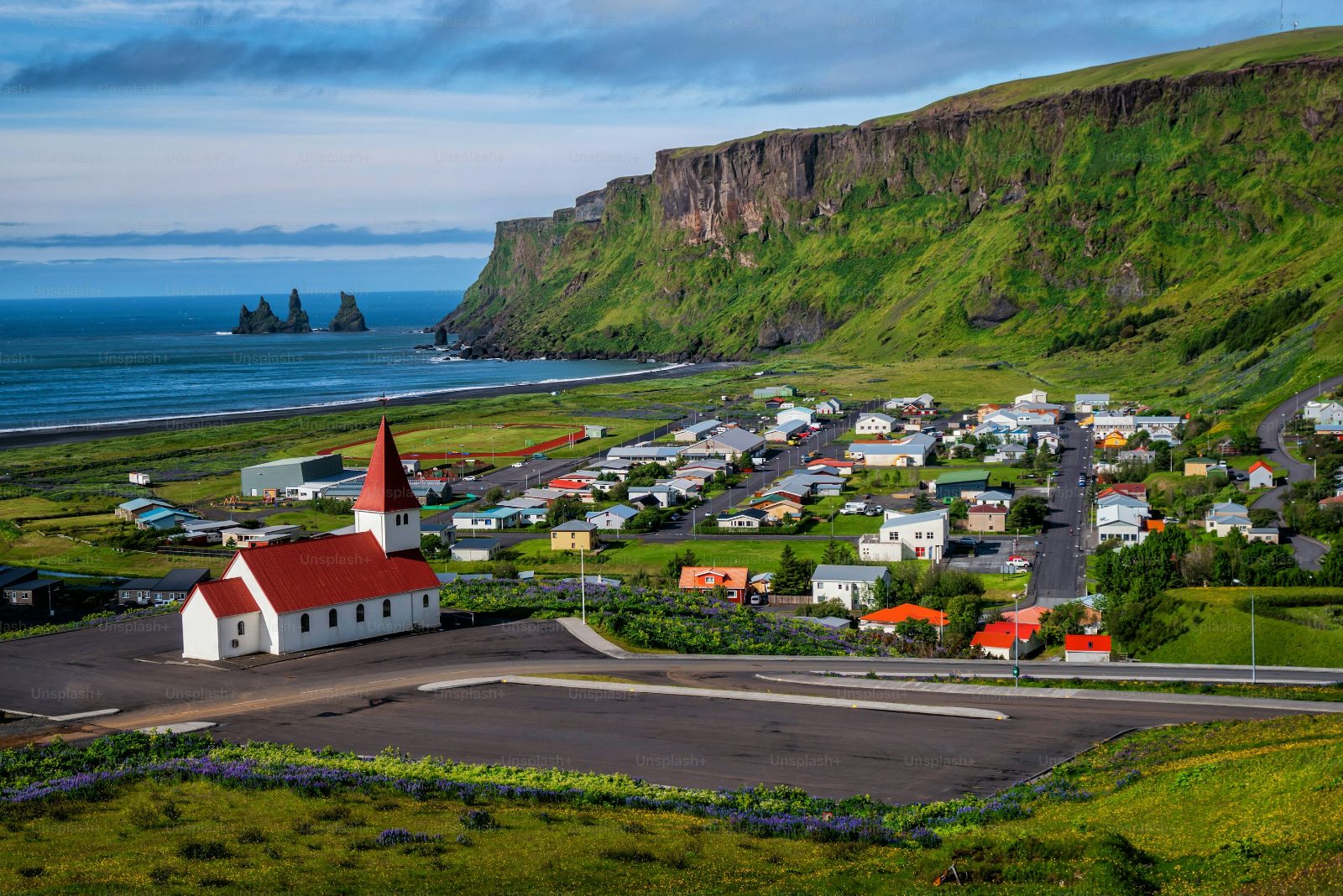
Vík í Mýrdal
Vík is the practical town stop in this area, useful for food, a reset, or regrouping before continuing east or heading back west. It links the glacier day to the rest of the South Coast route cleanly.
South Iceland town
Key Facts About Sólheimajökull Glacier Hike Without Guide
Sólheimajökull is a glacier tongue, not a fixed hiking trail, and its surface changes constantly as the ice retreats and breaks apart. That is why guide-free glacier travel is not considered appropriate here, even though the parking area sits close to the ice edge.
Outlet glacier
Sólheimajökull is an outlet glacier of the larger Mýrdalsjökull ice cap in South Iceland. That status matters because the ice is part of a moving, changing system rather than a stable walking surface.
Fast retreat
Recent reporting has described Sólheimajökull as retreating quickly, with measurements showing substantial shrinkage over time. A glacier that is pulling back can expose crevasses, melt channels, and unstable edges.
Parking is near ice
The glacier parking area is close to the tongue, which can make the approach look straightforward. Proximity does not make the ice safe to enter without proper supervision and equipment.
Guide-free is discouraged
Visit Iceland states that glacier walking or climbing should not be done without a trained guide. That official safety context is the clearest reason not to treat Sólheimajökull like a normal self-guided hike.
Hidden hazards
The surface can conceal crevasses, weak snow bridges, and uneven ice even when conditions look calm from a distance. Those hazards are difficult to judge without glacier-specific training.
Conditions change fast
Wind, temperature, meltwater, and fresh snowfall can alter the glacier within hours. A route that seems passable at the parking lot may be unsafe farther onto the ice.
Not a casual walk
You can view the glacier from the approach area, but stepping onto the ice is a different activity entirely. For Sólheimajökull, that distinction is the line between sightseeing and technical glacier travel.
Check availability
Frequently asked questions about Sólheimajökull glacier hike without guide
Everything you need to know about sólheimajökull glacier hike without guide