13 hr
Sólheimajökull Glacier Trek & Introductory Ice Climb
- Expert local guide
- Small group
- Skip-the-line access
- Free cancellation
Sólheimajökull Glacier Hike & Ice Climbing — Guided Treks and Axe-Work on the Wall
Crampons bite blue ice, Katla sleeps beneath the white.
Compare fares, pick the fit — all bookings are mobile-voucher and eligible for free cancellation where shown.
13 hr
13 hr
10 hr
For sòlheimajökull glacier hike & ice climbing, the main choice is whether you want a glacier hike only or a hike-plus-ice-climbing experience. The official Solheimajökull Glacier site says activity on the ice should be done with a guide, while self-directed access is for the viewpoint and glacier edge only.
|
Top pick Guided Glacier Hike Parking-lot departure |
Glacier Hike + Ice Climbing Ice wall climb included | |
|---|---|---|
| Access area | Glacier ice and edge | Glacier ice and ice wall |
| Included gear | Crampons, helmet, ice axe | Crampons, harness, ice axe |
| Activity focus | Walking on glacier ice | Hike plus climbing |
| Guide required | Yes for ice activities | Yes for ice activities |
| Meeting point | Parking area at Sólheimajökull | Parking area at Sólheimajökull |
| Best for | First-timers and hikers | Adventurous climbers |
| See tickets & prices |
Verdict: Most first-time visitors should pick the Guided Glacier Hike, while adventurous travelers who want an active ice wall ascent should choose the Glacier Hike + Ice Climbing option in the sòlheimajökull glacier hike & ice climbing tour.
Worth it for anyone wanting real glacier contact
A sólheimajökull glacier hike & ice climbing outing is one of the few Iceland outings where the guide fee genuinely buys something you cannot self-supply: crampons, harness, helmet, ice axe and a certified guide who reads the crevasse field that shifts every season. Drive yourself and you pay 750 ISK parking per car, then stand at a roped-off outlet glacier tongue looking at ash-striped ice from fifty metres. The trek-and-introductory-climb version puts you on the wall with a rope, which the standard guided ice hike does not. Full-day South Coast trips fold the glacier walk into waterfalls and black sand, so the ice time shrinks — good value if you have no car, thin value if you came for the moulins and blue ice. Sólheimajökull glacier hike & ice climbing tours pay off for reasonably fit travellers who want a guided glacier walk with actual vertical, not a photo stop.
Bottom line: Book the Sólheimajökull glacier hike & ice climbing tour with the climb included if you want the ice axe in your hand; take the South Coast combo only if you lack wheels.
They complement each other, but most visitors who want action call the guided glacier walk the better choice because sólheimajökull glacier hike & ice climbing puts you on the ice wall, while Mýrdalsjökull Viewpoint is the easier scenic stop. Choose the hike for crevasses, ridges, and ice-climbing; choose the viewpoint for a quick South Coast photo pause.
|
Top pick Sólheimajökull hike |
Mýrdalsjökull Viewpoint | |
|---|---|---|
| What you do | Guided glacier walk and ice climbing | Scenic overlook only |
| Access effort | Moderate; guided setup needed | Easy; short walk from parking |
| Terrain underfoot | Ice, crampons, crevasses | Gravel path and viewpoint |
| Photo payoff | Close-up ice wall, blue-white textures | Wide glacier-cap panorama |
| Guide needed | Yes for glacier activities | No |
| Best for | Adventure seekers and active travelers | Quick South Coast stops |
| See tickets & prices |
Verdict: If you want the more hands-on glacier experience, the guided tour wins; if you only need a low-effort scenic stop, Mýrdalsjökull Viewpoint fits better.
Hand-picked experiences loved by thousands of travelers
11 hours
Free Cancellation
Explore Iceland's dramatic South Coast with a guided glacier hike, volcanic black sand beaches, and iconic waterfalls.
12 hours
Free Cancellation
Discover Iceland's dramatic south coast waterfalls, stroll black sand shores, and hike a majestic glacier.
4 hours
Free Cancellation
Tackle frozen vertical walls and explore dramatic crevasses on Iceland's famous Sólheimajökull Glacier.
4 hours
Free Cancellation
Trek across the stunning icy terrain of Sólheimajökull with a certified guide on an intimate, thrilling adventure.
4 - 5.5 hours
Free Cancellation
Explore Sólheimajökull's icy ridges and deep blue crevasses on an immersive guided glacier hike.
3 hours
Free Cancellation
Trek across the icy terrain of Sólheimajökull Glacier with expert guides and specialized safety gear.
4 hours
Free Cancellation
Scale the ice walls of Sólheimajökull glacier on an introductory climbing adventure led by professional guides.
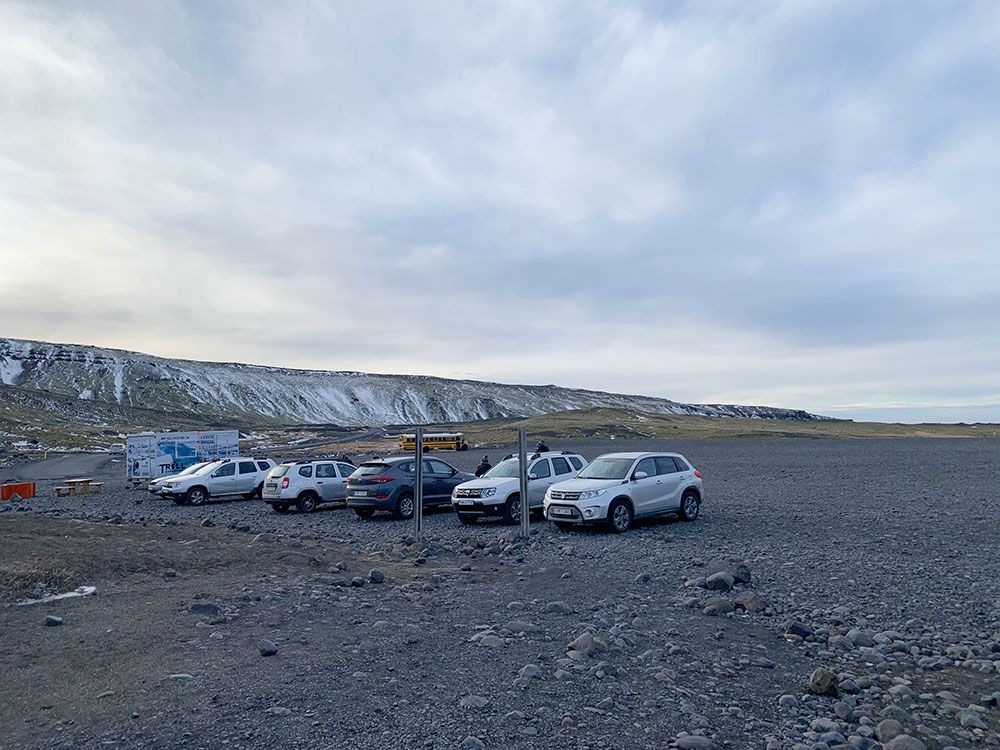
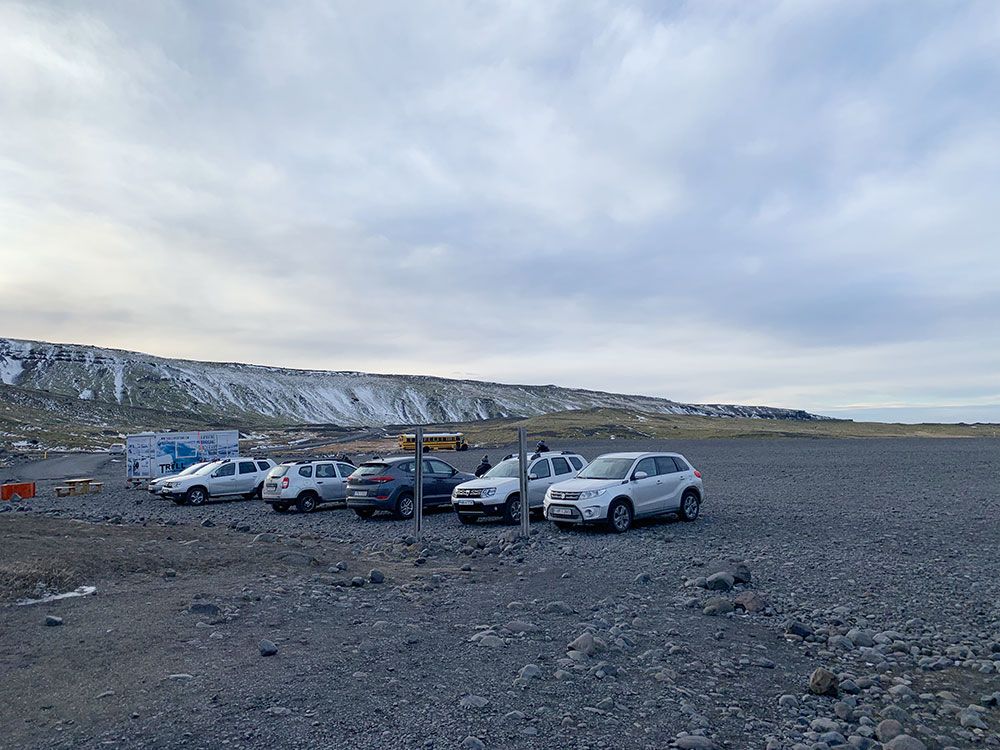
Park on Road 221 and check the trailhead area before joining a guide or walking to the viewpoint. The glacier edge is reached from the parking lot by a maintained path.
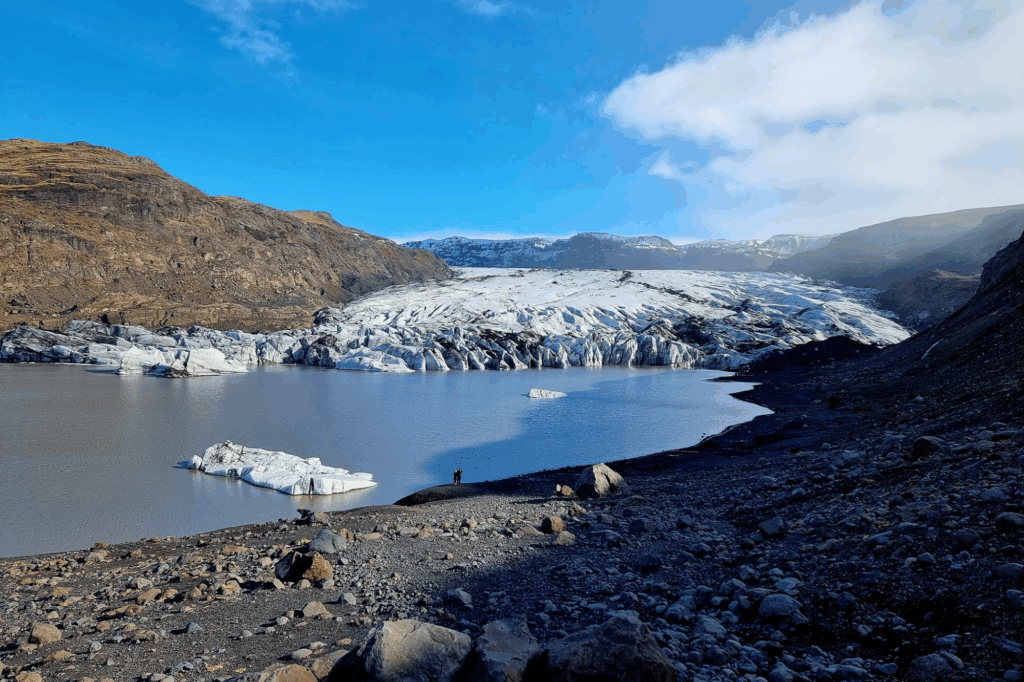
Follow the gravel path to the glacier overlook for a first look at the outlet glacier, crevasses, and meltwater lagoon. Stay on the marked route and avoid loose ground near the ice.
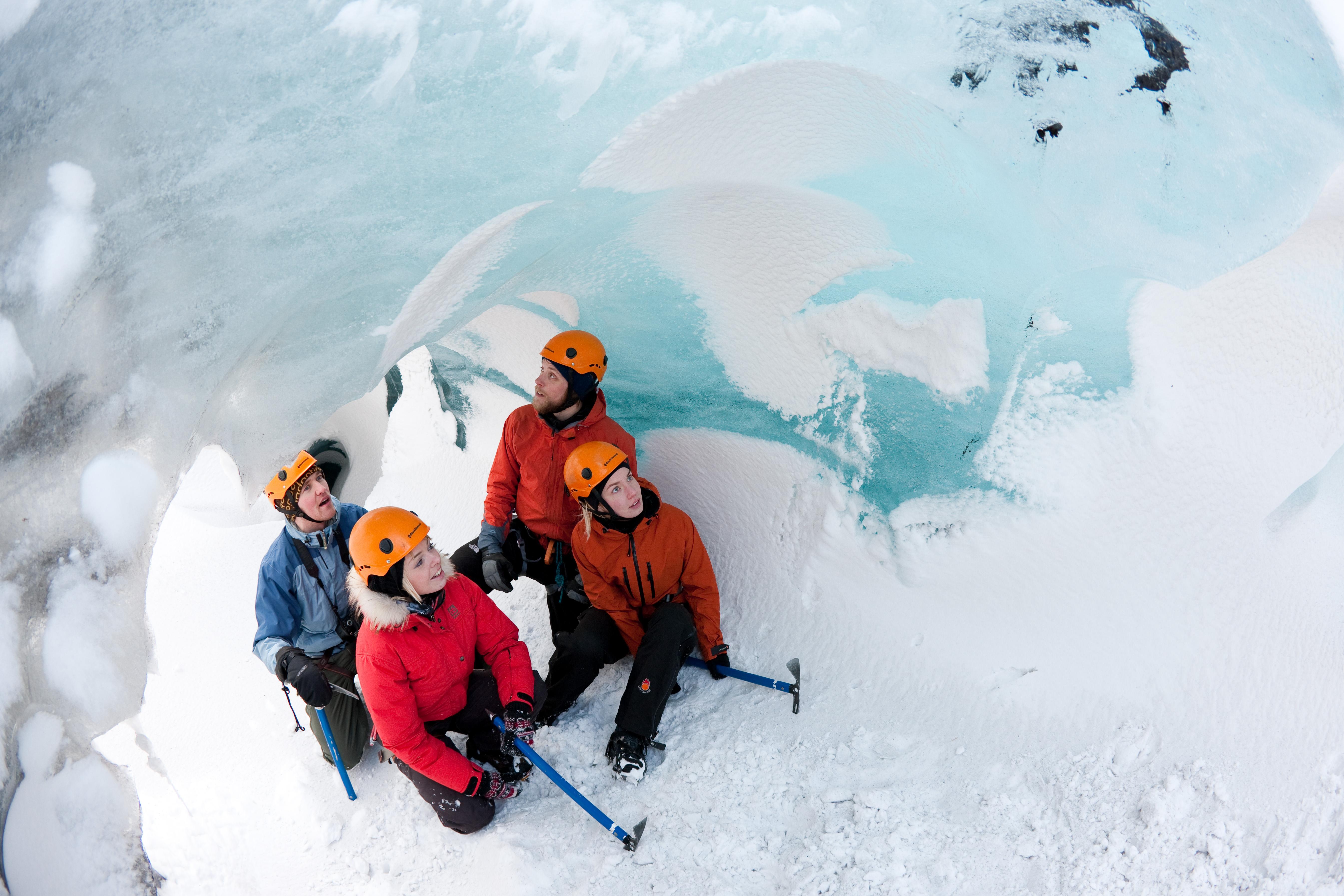
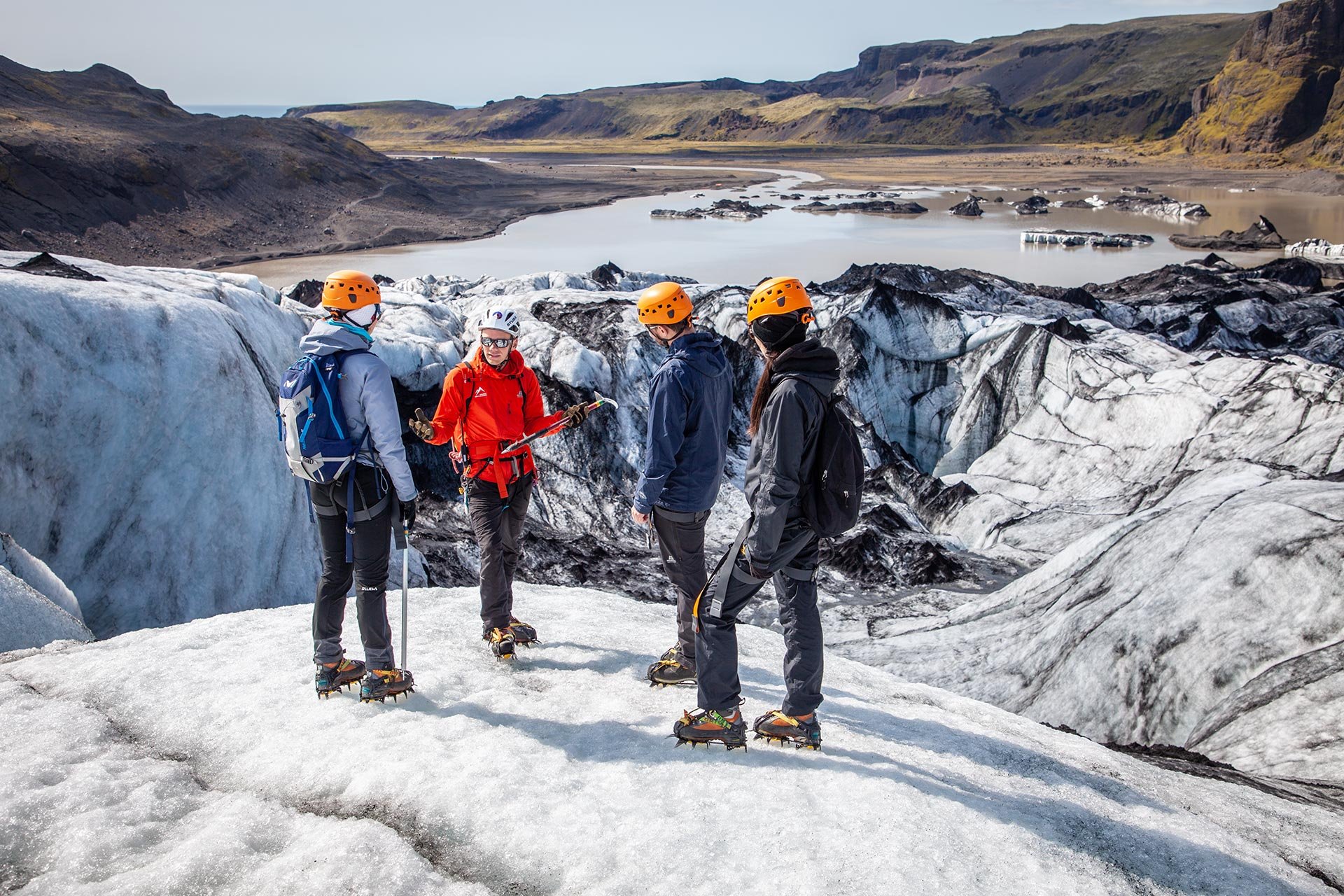
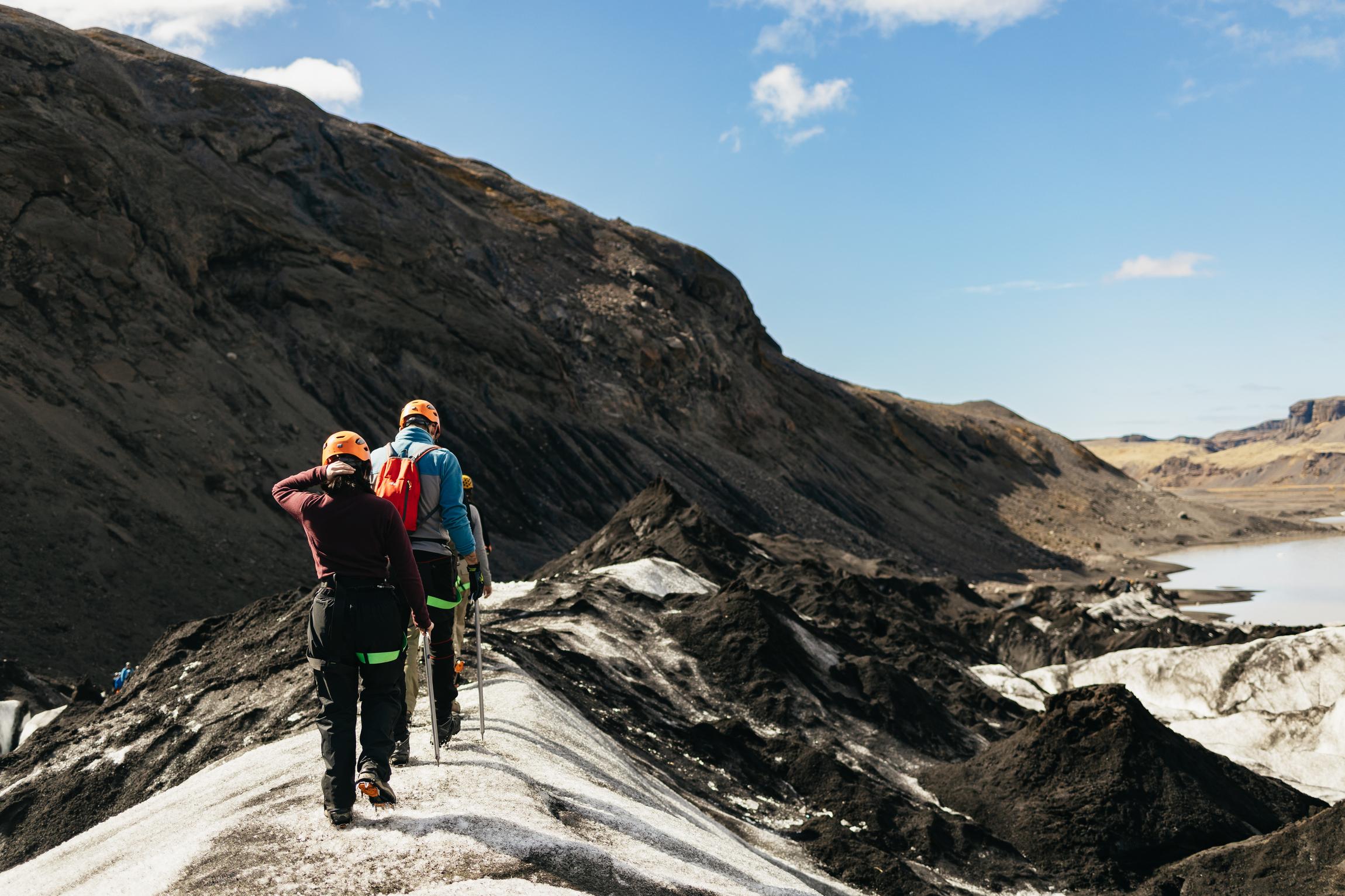
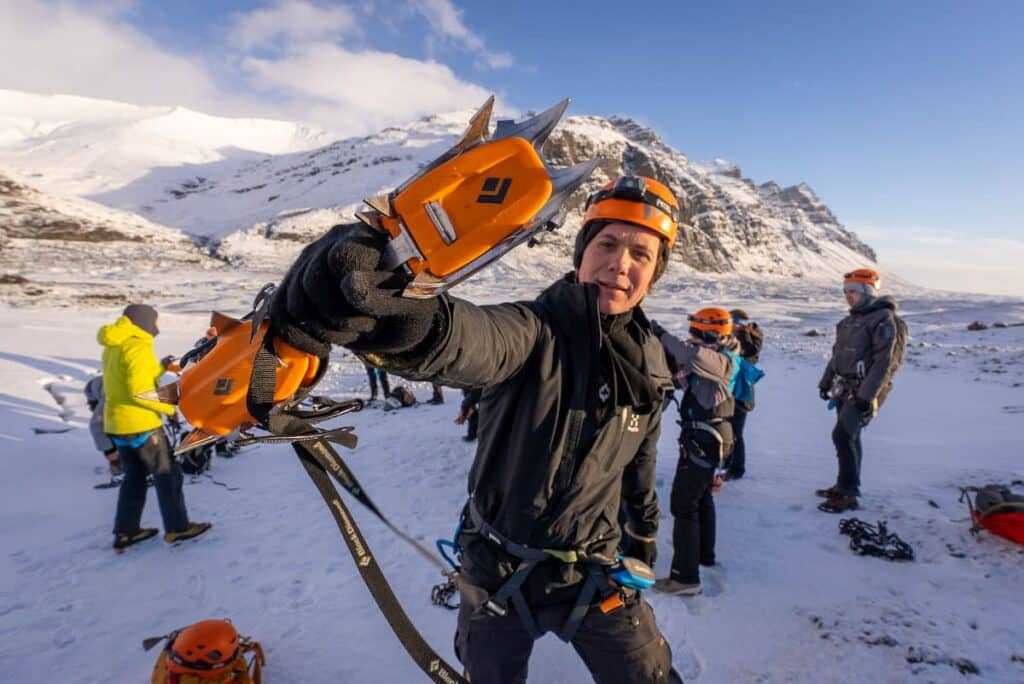
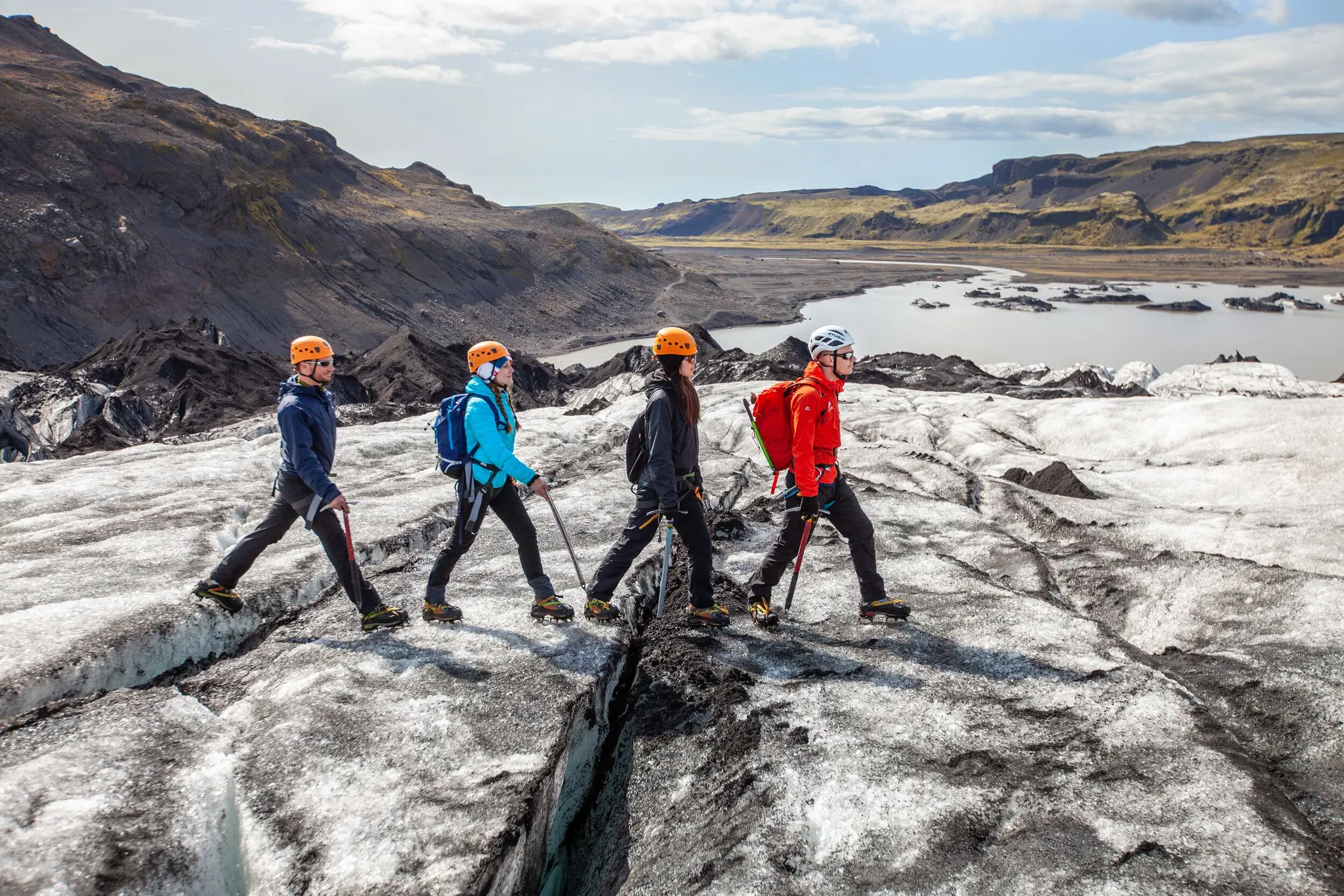
Meet the guide, fit crampons, harness, helmet, and ice axe, then review safety instructions before stepping onto the ice.
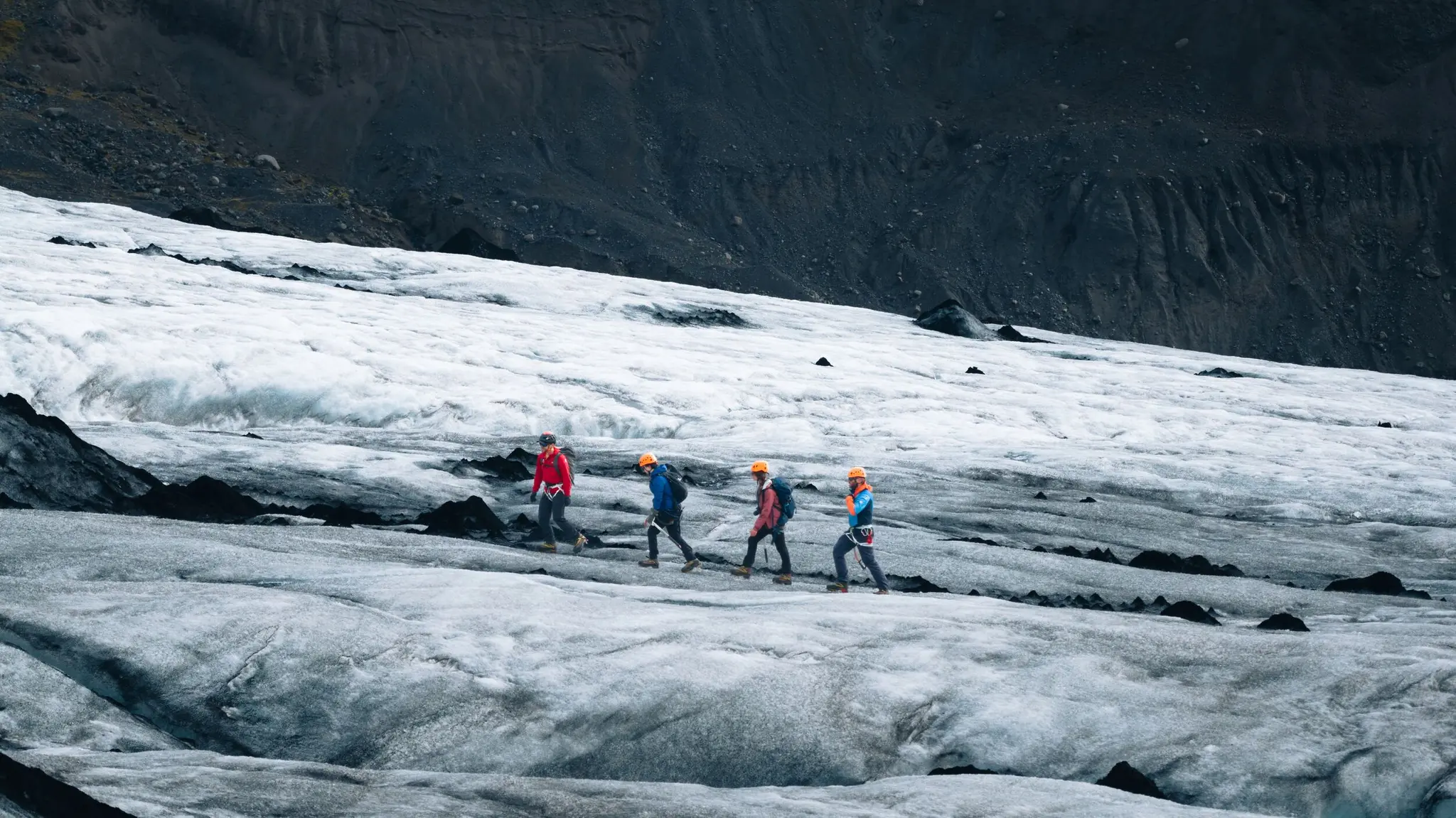
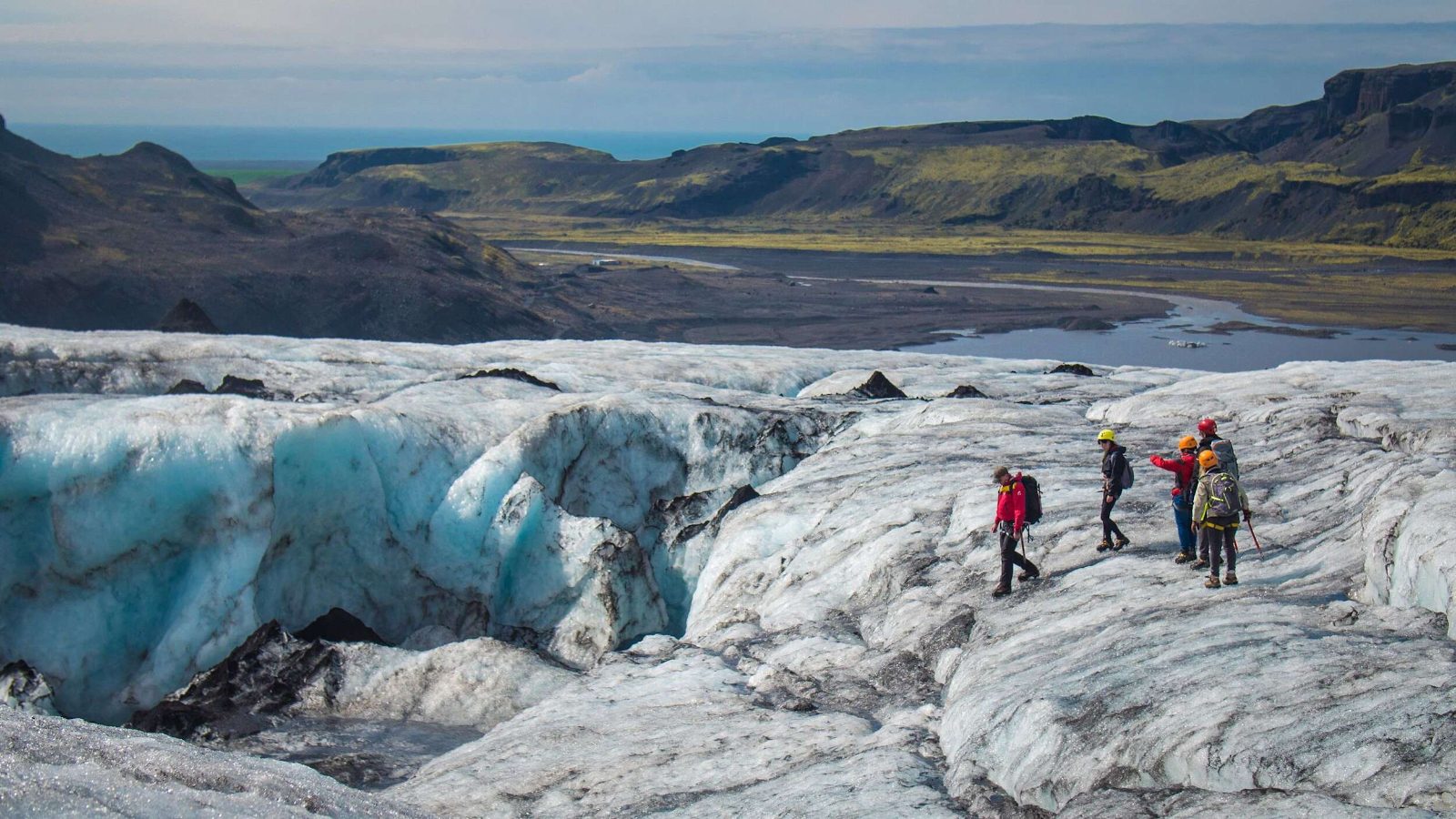
Explore the glacier tongue with a guide, stopping at safe points for photos and terrain explanations. The route changes with conditions, so the guide chooses the day’s path.
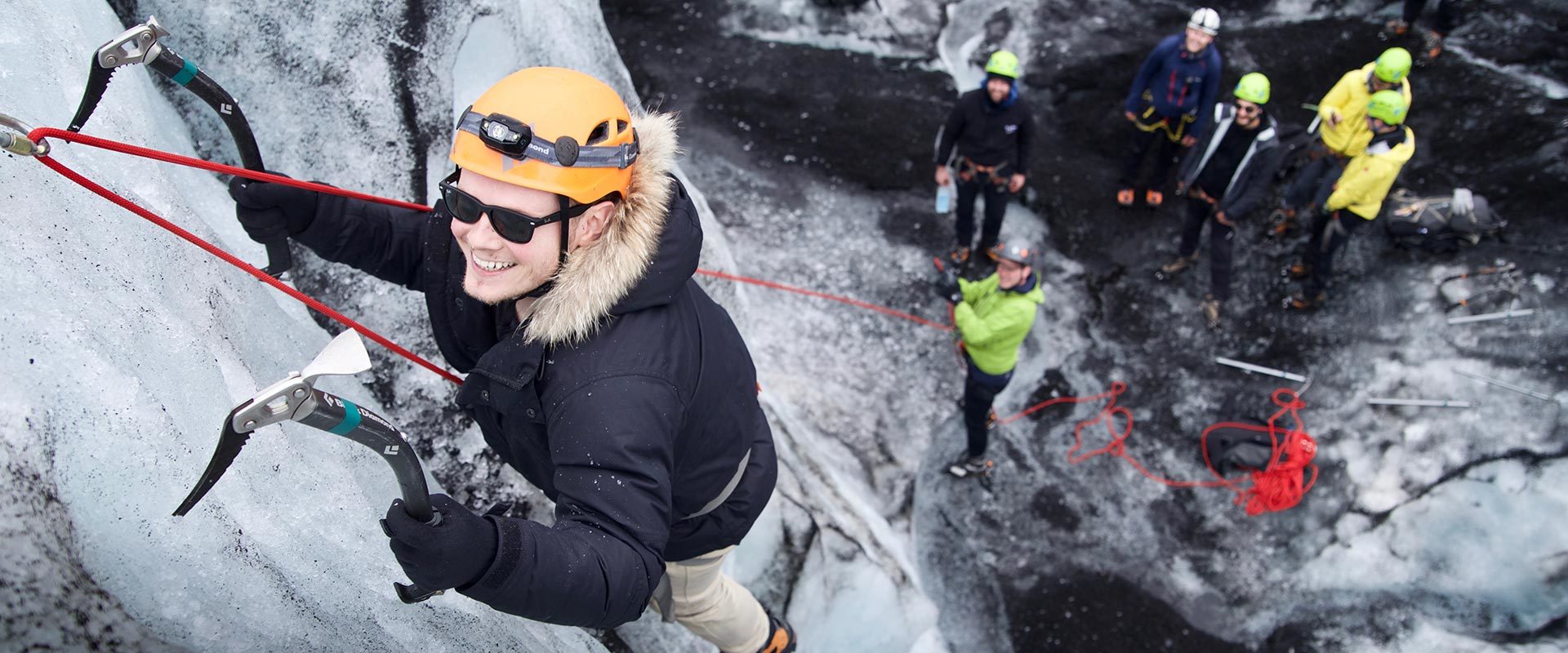
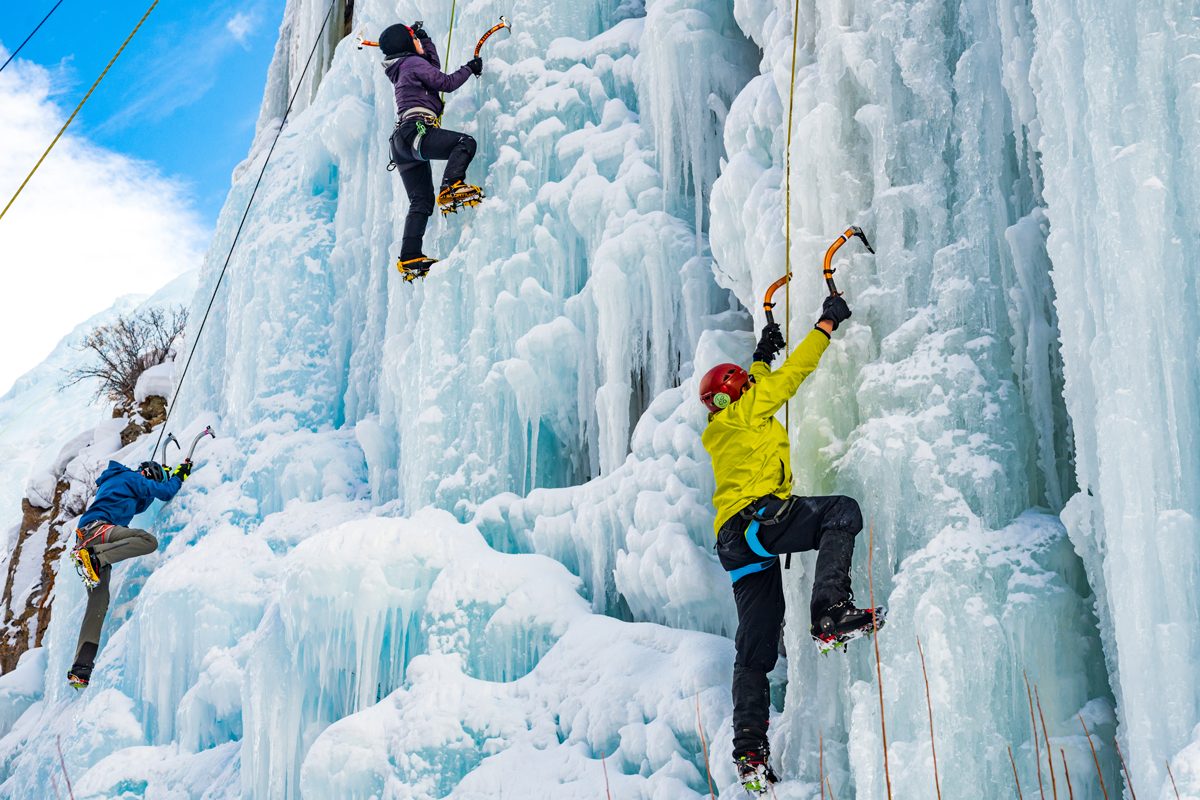
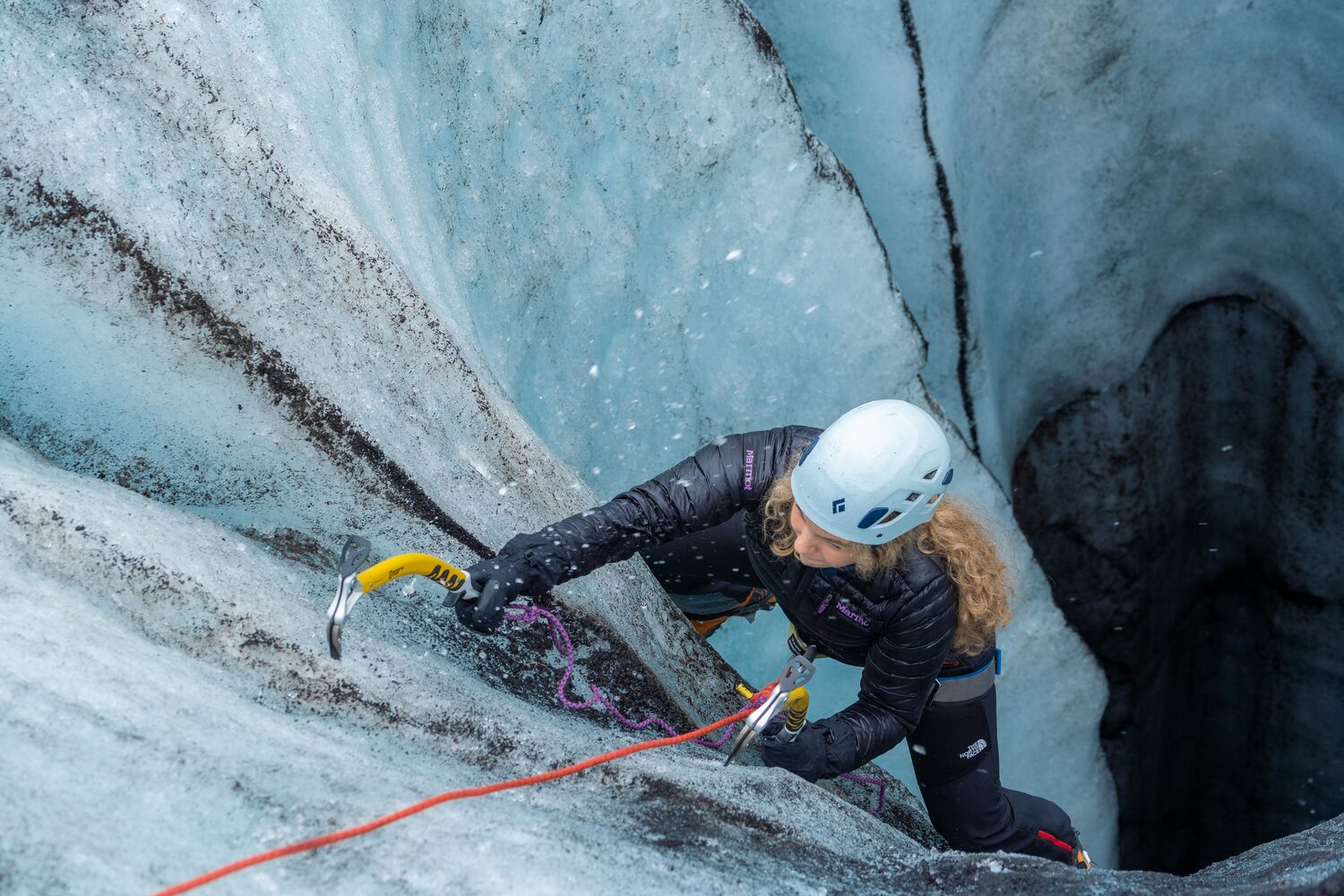
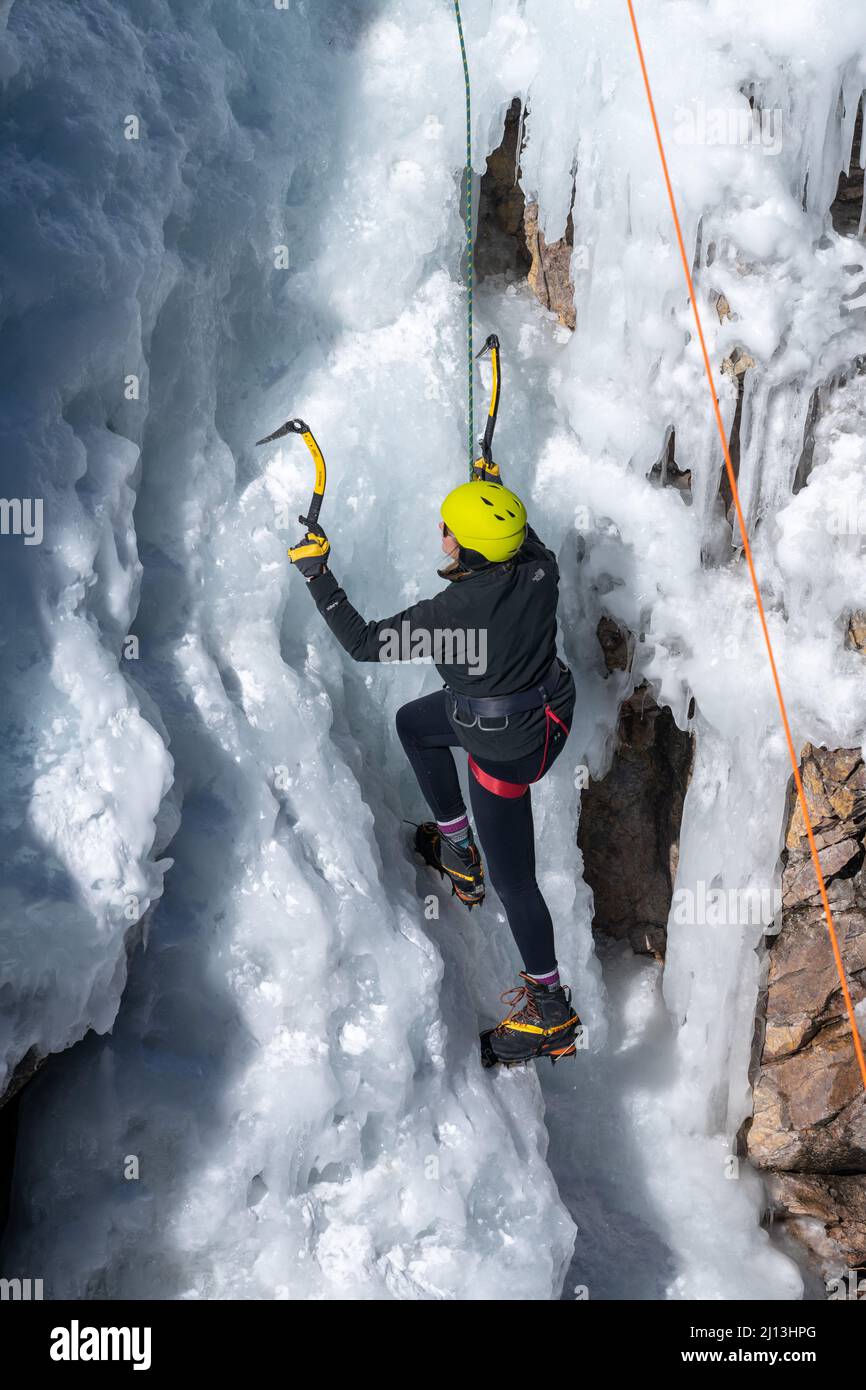
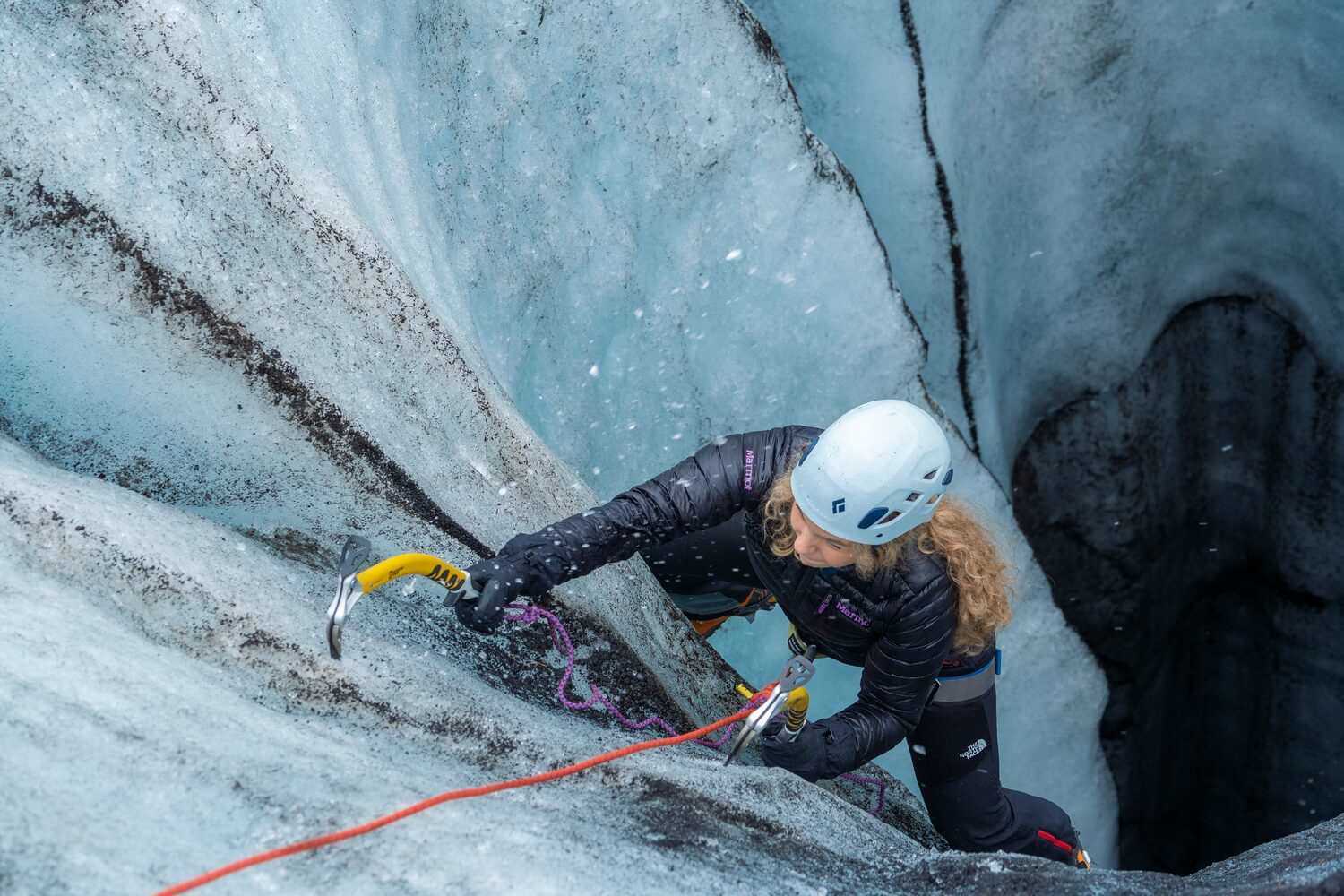
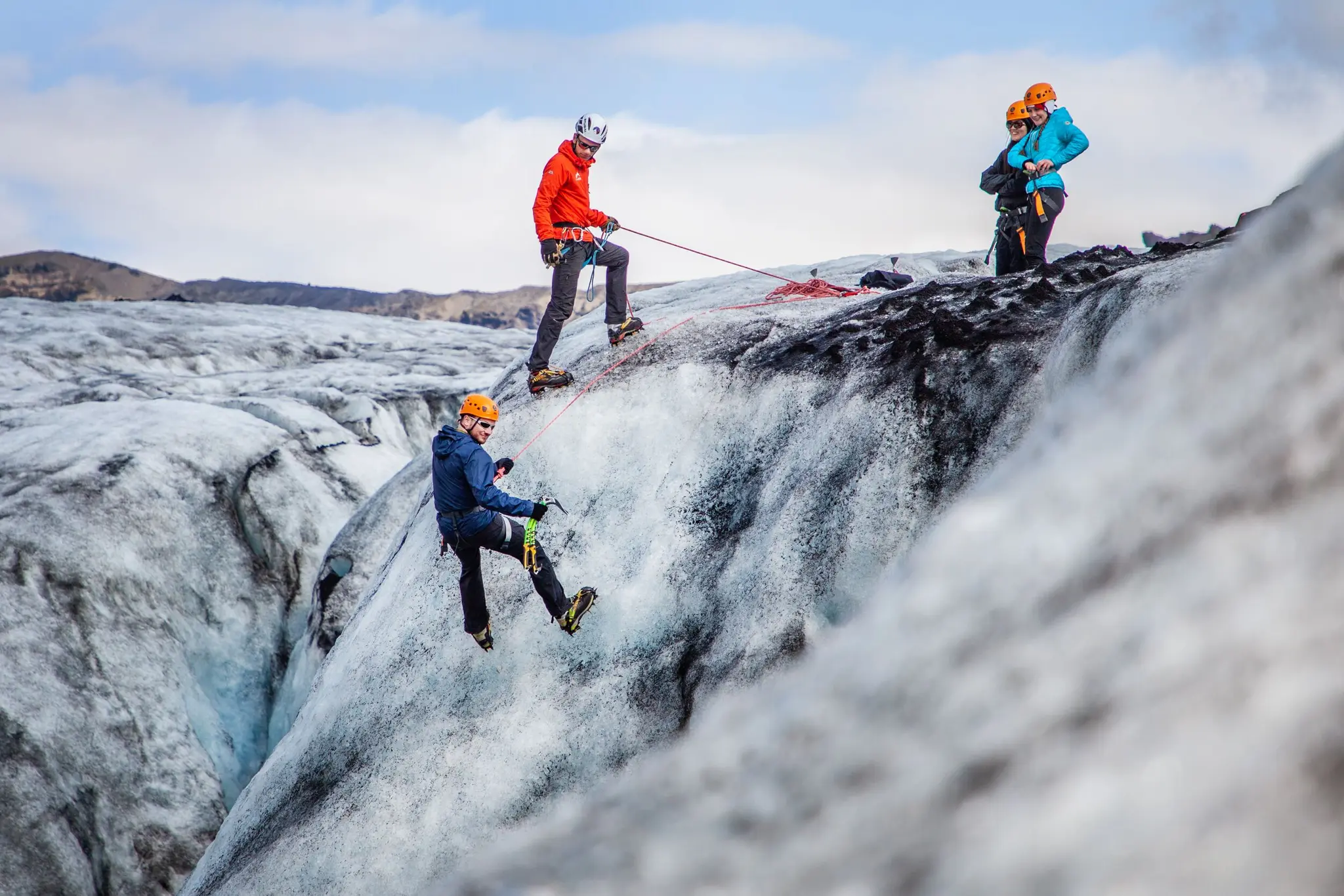
On active ice-climbing departures, the guide sets ropes on a suitable wall and coaches climbing technique on the glacier face. This is the most technical part of the visit.
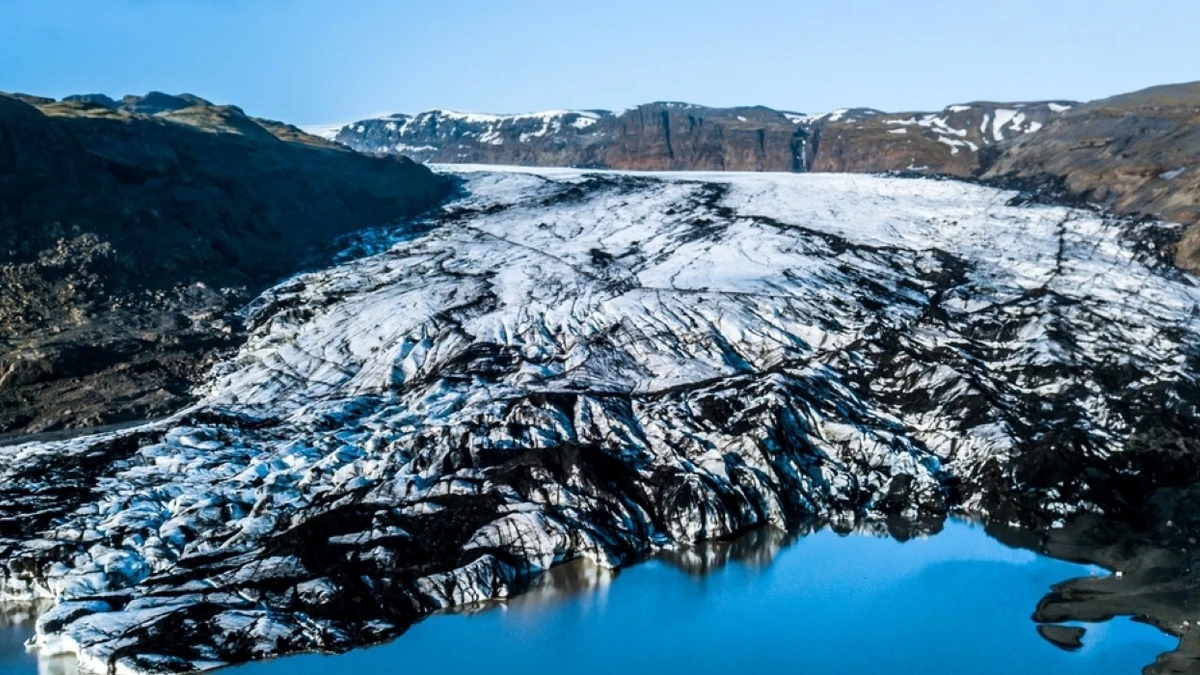
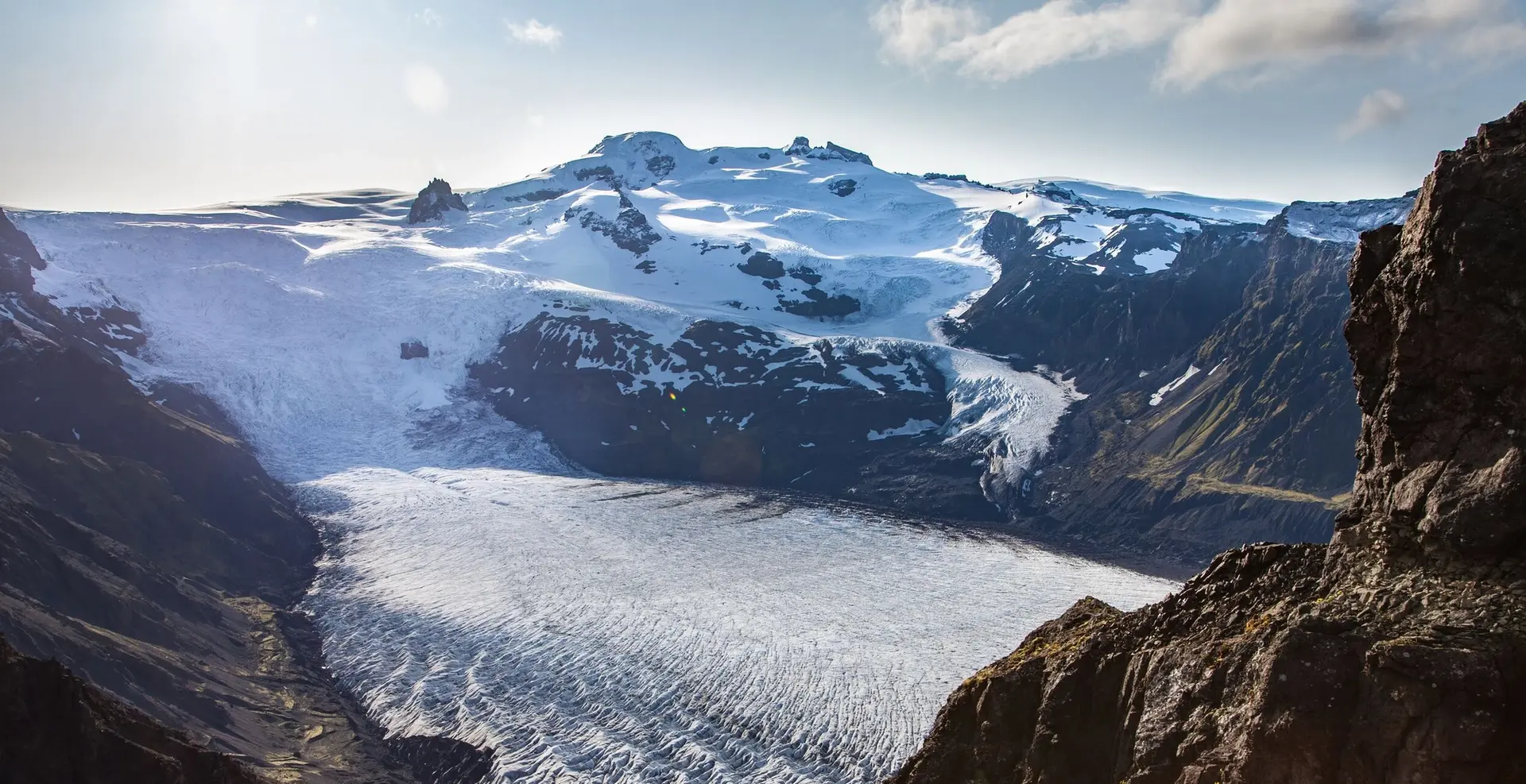
Sólheimajökull is a glacier tongue flowing from the southwest corner of Mýrdalsjökull. The outlet glacier is known for ash-streaked ice and fast change; regional sources describe it as a climate glacier responding quickly to warming. The glacier reaches lowlands, which is why it is one of Iceland’s most accessible ice experiences.
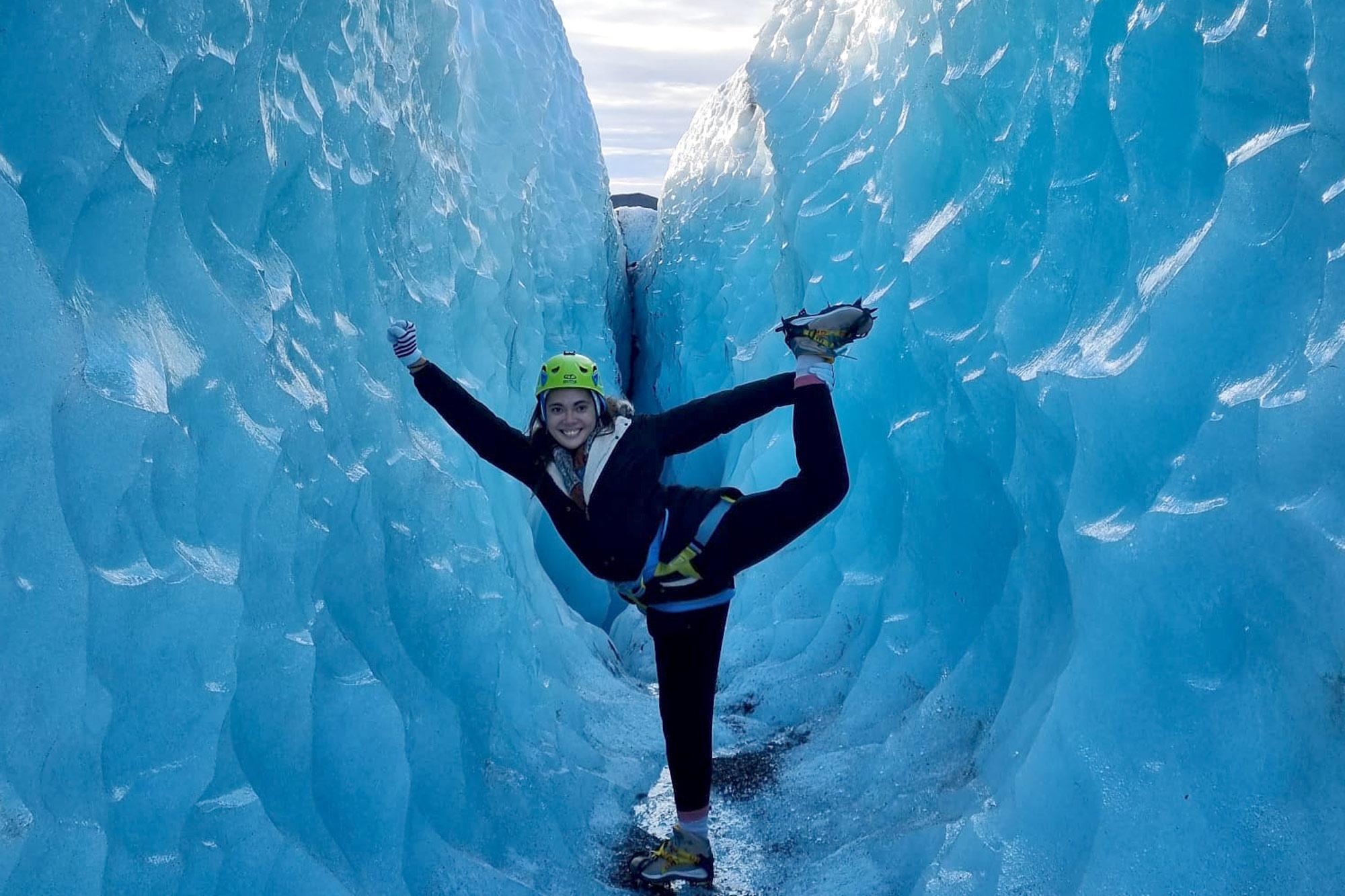
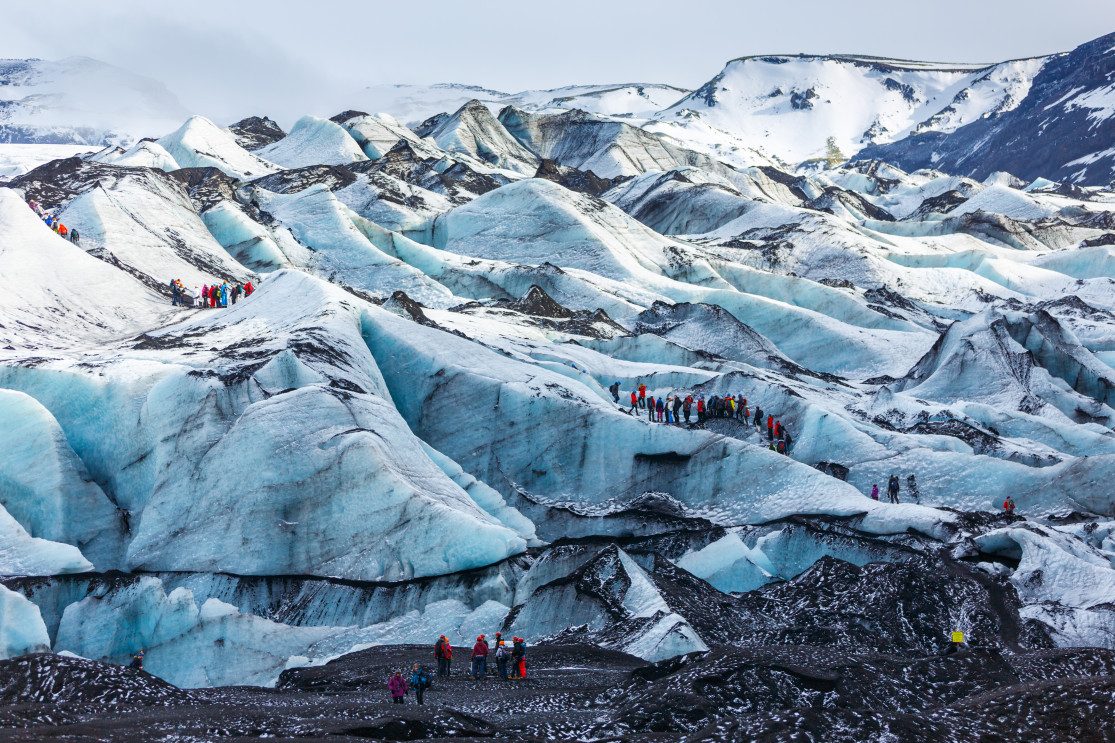
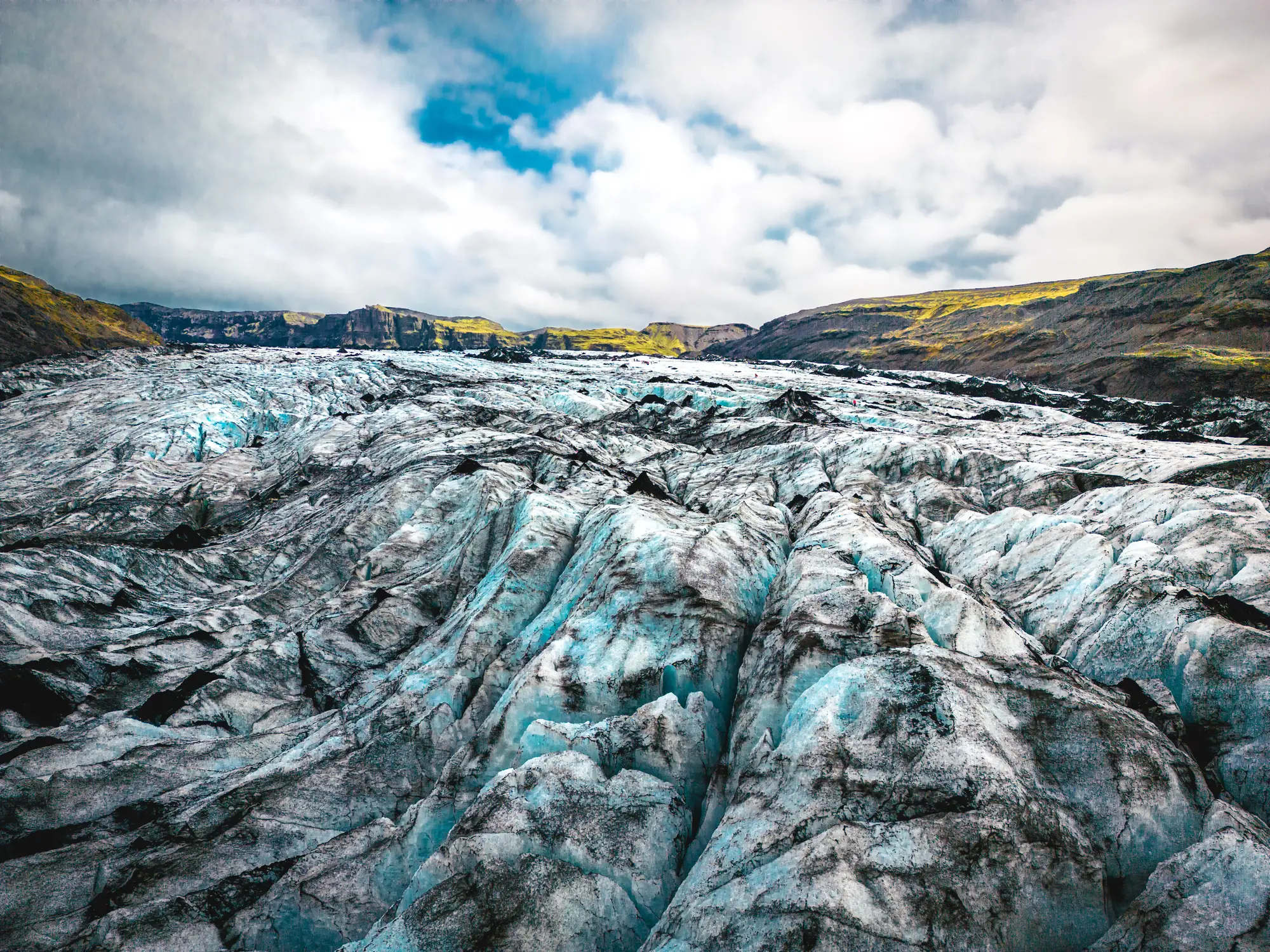
Deep blue crevasses cut through the glacier surface and create the strongest contrast on the walk. The site’s own descriptions highlight ridges and inlets of blue ice, while guides choose safe crossings based on daily conditions. Even a short stop here shows how quickly the ice structure changes.
Active ice-climbing tours use a suitable wall on the glacier where guides rig ropes and coach technique. This is the most technical part of the visit and is offered with guide support rather than as a casual self-guided climb. The wall is chosen for safety, so the exact shape changes with conditions.
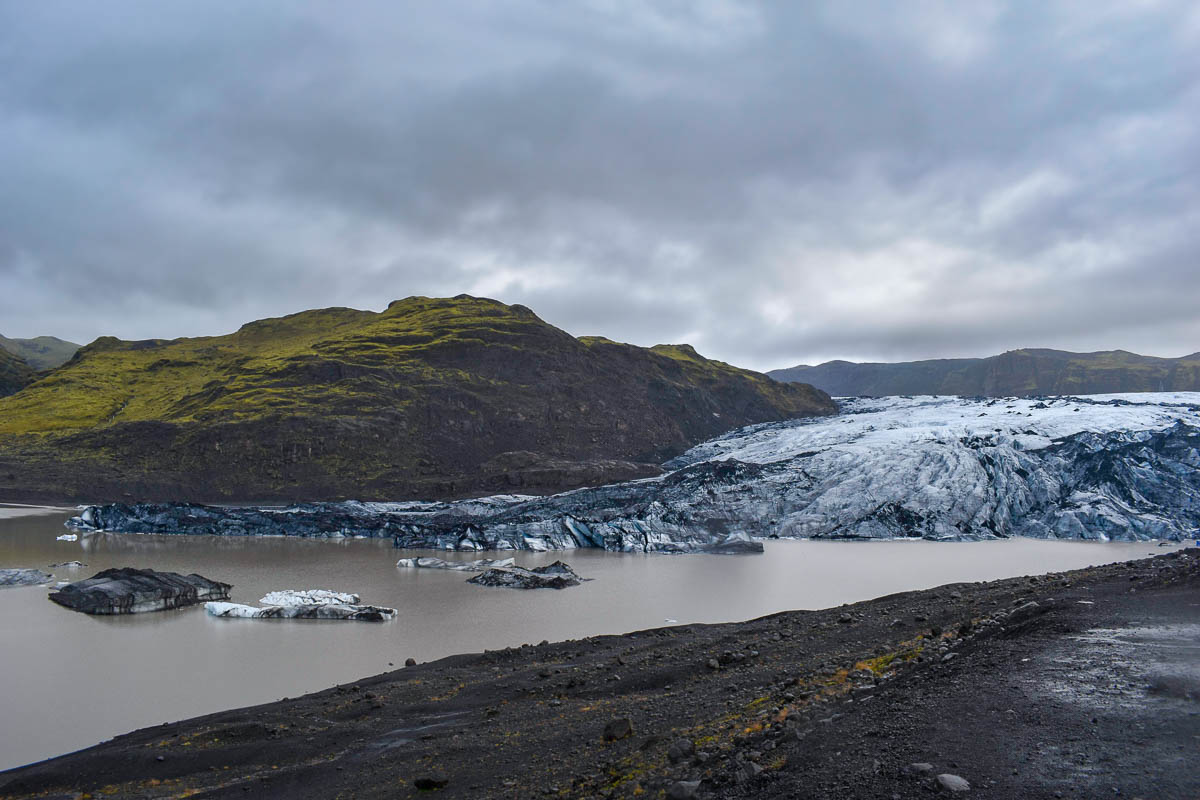
A meltwater lagoon sits near the glacier snout and reflects the ice in calmer weather. The site notes that meltwater drains from the glacier into the local river system, making the lagoon a key part of the landscape story. It is one of the best places to see the glacier’s retreat in plain view.
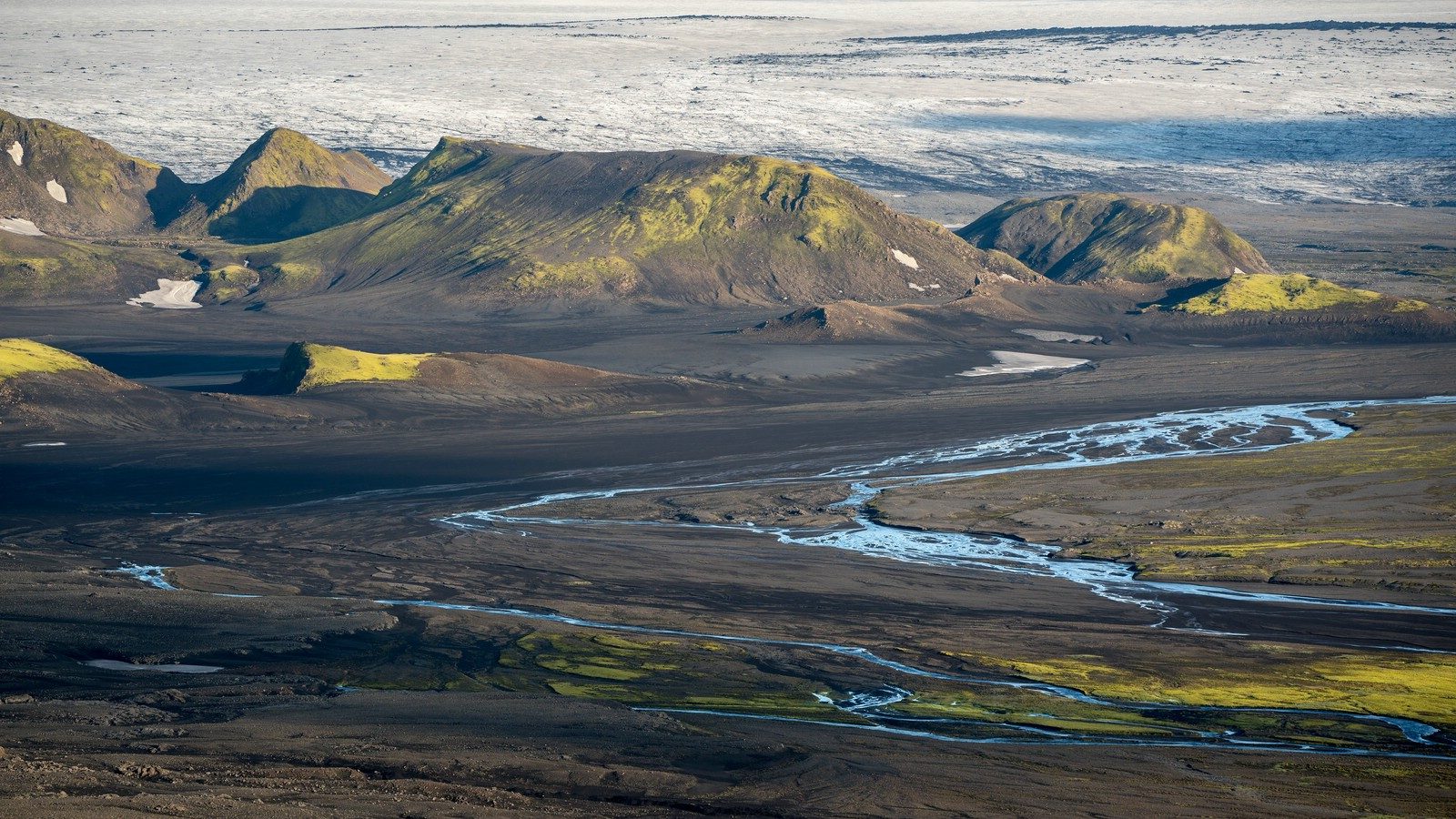
The wider ice cap behind the glacier is Mýrdalsjökull, which covers the active Katla volcano. Seeing the outlet glacier in context helps explain why the area combines ice, ash, and volcanic landforms in one scene. The background scale is part of what makes the site feel so large even before stepping on the ice.
The parking lot is more than a car stop; it is the start of the maintained path to the glacier edge and the meeting point for many outfitters. Regional sources place it at the end of Road 221, and the official site confirms that guided hikes depart from here. It is also where independent visitors start the easy walk to the viewpoint.
You turn off Route 1 onto Road 221 and follow gravel to the Sólheimajökull parking area, where 750 ISK covers the car. The lot smells faintly of sulphur. Your guide fits a harness, a helmet, and a pair of steel crampons, then teaches the flat-footed gait that keeps all twelve points biting.
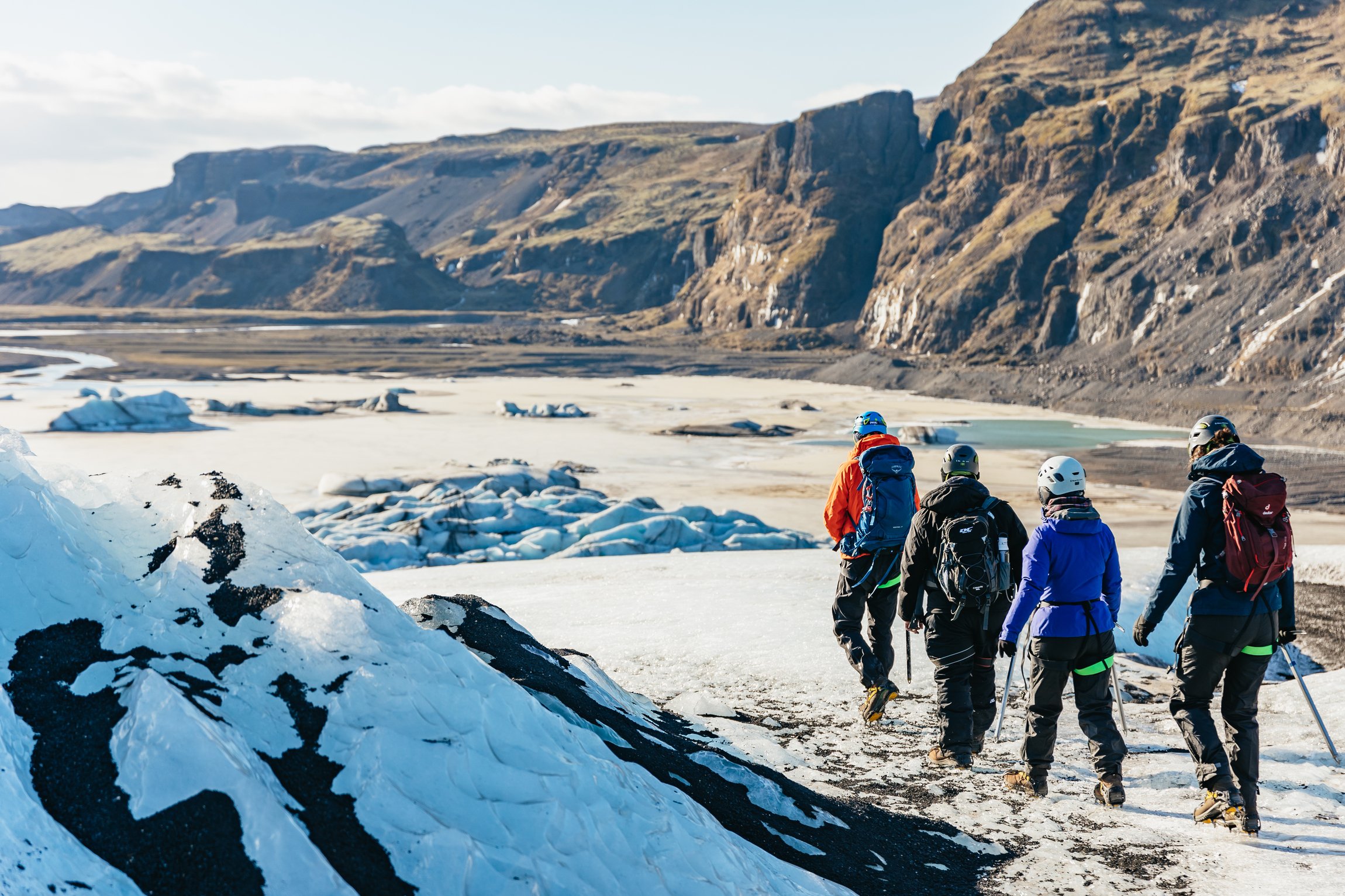
You walk the moraine path first, grey grit underfoot, past the meltwater lagoon that has grown since 2010. At the edge you step onto the ice and the sound changes — water running somewhere below, boots crunching above. You follow a flagged line between crevasses, stop at a moulin to watch a stream vanish into blue dark, and lay a hand on a ridge of ash-black ice.
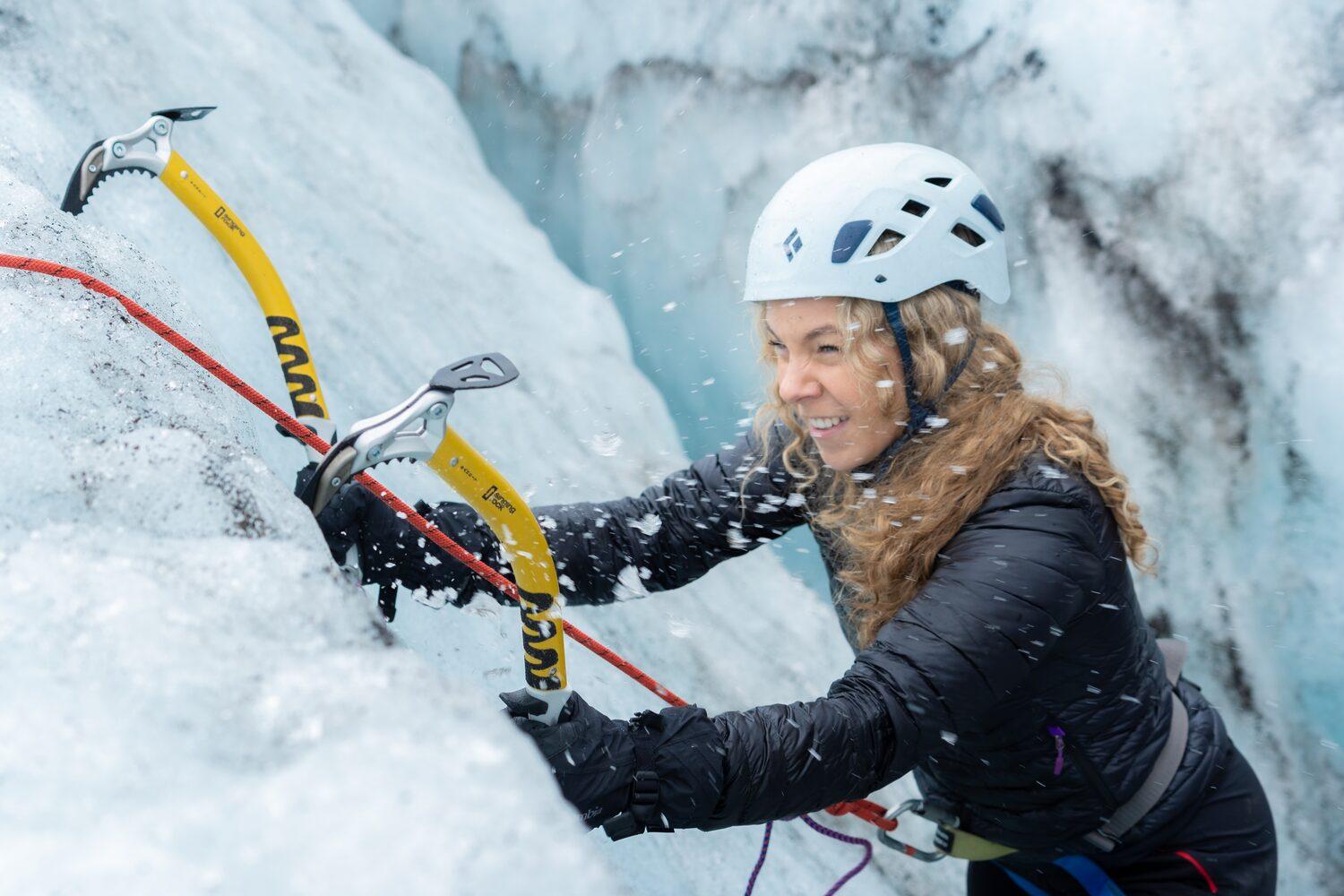
Then the wall. You clip in, take an axe in each hand, and swing. The first strike skates off; the second sticks. You kick, weight the front points, swing again, and climb roughly ten metres of vertical ice while your guide holds the rope from above. You lower back down with your forearms burning and your knuckles cold.
The Sólheimajökull Glacier Hike & Ice Climbing tour ends the way it began, on gravel, boots wet, crampons swinging from one hand.
All the details about your upcoming adventure in one place
Measurements of Sólheimajökull have been kept since 1931, and in that time the snout has withdrawn more than a kilometre back up its own valley. The tongue is an outlet of Mýrdalsjökull, Iceland's fourth-largest ice cap, and it flows south from beneath the Katla caldera toward the black gravel of Sólheimasandur.
Guides running Sólheimajökull Glacier Hike & Ice Climbing tours cross ice that fell as snow centuries before crampons existed. The name is borrowed from the farm below it: Sólheimar, the home of the sun.
The retreat has redrawn the map. A proglacial lagoon opened at the terminus around 2010 and widens each summer, so the walking route shifts season by season and no two years share the same approach. The ice itself is striped grey and black with tephra — ash from Eyjafjallajökull in 2010, from Katla in 1918, from older eruptions buried deeper still. Meltwater drains into Jökulsá á Sólheimasandi, a river that runs sulphurous with volcanic gas. Glaciologists return to the same stakes every year, and the numbers they carry away are among the most cited in Icelandic climate work.
Up close the surface is not smooth. Moulins bore vertical shafts through the ice, some dropping further than a rope will reach. Crevasse fields open in curved ranks where the glacier bends around bedrock. Seracs lean, sun cups pit the summer surface, and cryoconite dust melts small dark wells into the white. The near-vertical faces used for ísklifur — the Icelandic word for ice climbing — are cut fresh by guides through the season, because a wall that held an ice axe in June may have collapsed by August. A guided ice hike here is never quite the same route twice.
Access is unusually plain for a landscape this severe. Road 221 leaves Route 1 and ends at a gravel lot where parking costs 750 ISK per car, a short walk from the ice. That proximity is why the glacier appears on so many South Coast itineraries out of Reykjavík, and why Sólheimajökull Glacier Hike & Ice Climbing tickets are among the most requested in the southern half of the country. The glacier is thinning. The interest in it is not.

Every dark stripe in the ice is the record of a volcano's bad year.
Dress for wind, spray, and cold on the glacier edge even in summer. Wear waterproof outer layers, warm mid-layers, gloves, and sturdy high-ankle hiking boots because crampons and uneven ice are part of the experience.
The parking area is a simple trailhead, not a screened attraction entrance, so there is no formal bag check. Keep valuables minimal and pack them in a weatherproof daypack because the walk to the glacier can be wet and windy.
Photography is allowed from the parking-lot viewpoint and on guided tours, but keep the camera secured when moving across gravel or ice. The glacier surface changes quickly, so follow the guide’s instructions before stopping for photos near crevasses or ice walls.
Families can visit the viewpoint independently, but children joining the glacier should be able to wear crampons and follow guide commands. The operator notes the activity is for moderately fit visitors, so very young children may not suit every departure.
The parking lot is easy to reach, but the glacier activity itself is not step-free or wheelchair-friendly because the route includes gravel, uneven terrain, and ice. The site notes that the glacier edge is reachable from the parking lot, while active hiking and ice climbing should be done with a guide.
There are no restaurant rules published in the verified facts, so treat this as a trail visit rather than a dining stop. Bring water in a sealed bottle and snacks that can stay in your pack; avoid littering and do not leave food scraps on the glacier route.
Hours
Open daily 00:00–23:59
Address
Sólheimajökull parking area, Road 221, Iceland
Access
Parking-lot approach; glacier itself requires guided gear
Best arrival
00:00–23:00 for fewer visitors and easier parking
Phone
+354 587 9999
Car · About 2-3 hours from Reykjavík · Parking fee 750 ISK per car
Drive Route 1 on the South Coast, then turn onto Road 221 (Solheimajökulsvegur) to reach the glacier parking area at the end of the road. The official site and regional sources place the access point on Road 221 near the glacier tongue.
Public transport · Varies by tour · Tour transfer cost depends on operator
There is no direct scheduled public-transit stop at the glacier entrance, so most visitors combine a bus or coach with a tour transfer. Self-drive or guided coach transfers are the practical options for reaching the parking lot.
Taxi · From nearby towns · High; private transfer pricing
A taxi from nearby South Coast towns can drop you at the parking area, but local availability is limited compared with Reykjavík or Vík. This is usually a private-hire option rather than a standard metered ride.
Bike · Long and weather-dependent · Low to moderate; equipment dependent
Cycling is possible only for strong riders on the South Coast road network, and the final approach on Road 221 adds traffic and weather exposure. This is not the common way to visit the glacier.
No cancellation policy was provided in the verified facts, so no refund window can be stated here without guessing. For booked glacier tours, rely on the operator’s live terms; the parking fee is 750 ISK per car.
Recommended time
Half a day
For sólheimajökull glacier hike & ice climbing, plan on about 3 hours for a standard guided glacier hike, including gear-up and briefing, and longer if you add an ice-climbing section. A quick roadside stop at the viewpoint can be 30–45 minutes, while a proper guided outing usually feels more relaxed if you allow extra buffer for parking, meeting your guide, and walking from the lot. Parking is easiest earlier in the day; the lot is open 24/7, but peak arrival waves can make the base area feel busier before tours depart.
Crowd levels through the day
Weather · crowds · average price — dots go green to amber to red as each metric rises.
Spring weather is changeable, with colder mornings and a higher chance of wind on the South Coast. It can still be a good time for guided glacier hikes if you want lower visitor volume than peak summer.
Summer is the easiest season for first-time visitors because conditions are milder and daylight is long. The official site also notes that ice climbing is offered in summer, making it the busiest season for adventurous tours.
Autumn brings cooler temperatures and more atmospheric skies, but weather can shift quickly and strong wind is common on the glacier tongue. Expect fewer visitors than in midsummer, especially on weekdays.
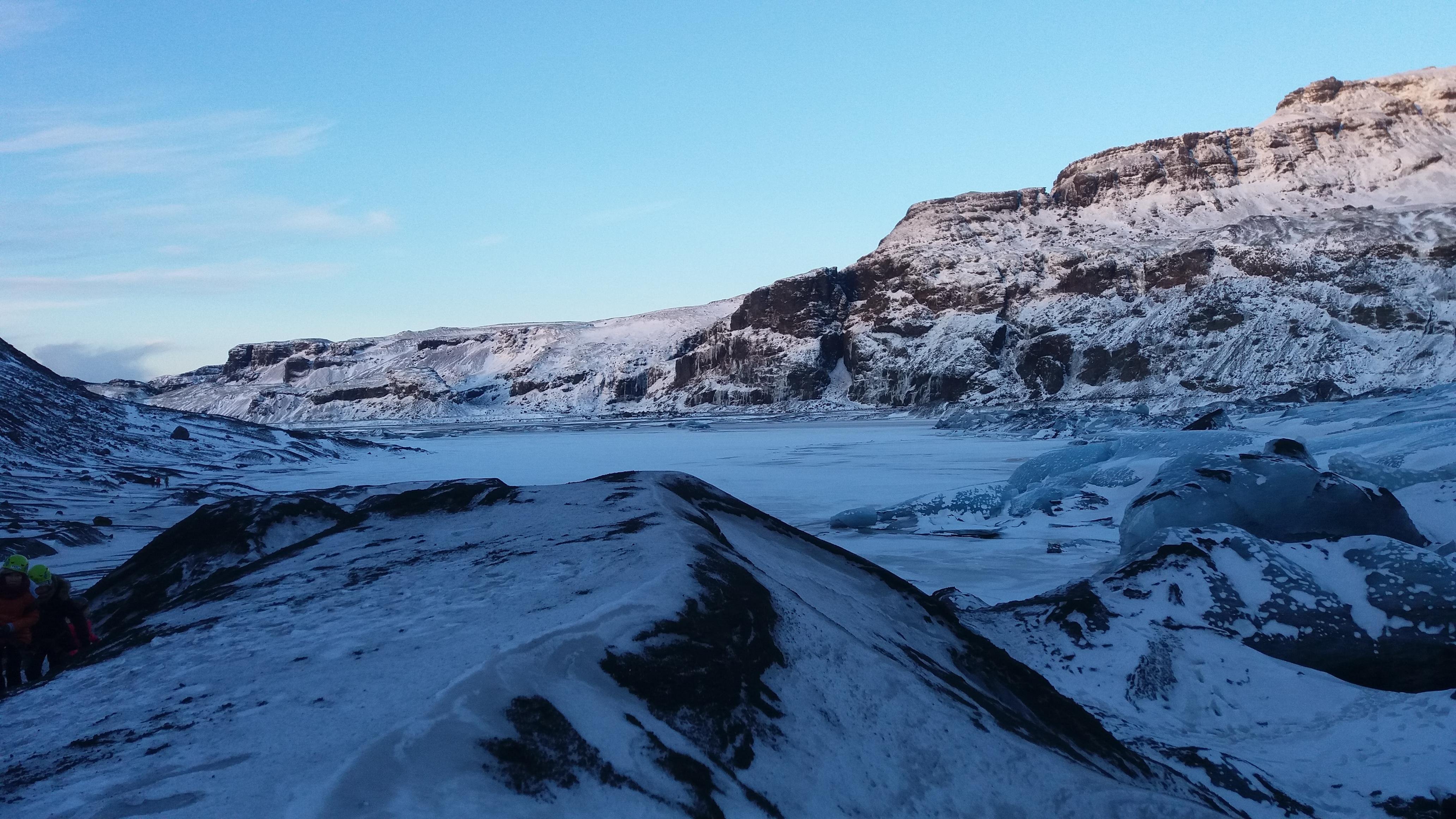
Winter is more dramatic and icy, with snow on the valley floor and colder conditions on the glacier. Guided hikes remain the safest choice because the terrain can change rapidly and crampons are essential.
The verified best arrival window runs from 00:00 to 23:00, and earlier arrival usually means easier parking. If you are self-driving, the gravel lot fills faster when South Coast tours arrive in waves.
High-ankle hiking boots matter because crampons need a stable base. Lightweight shoes and sandals are a poor fit for the glacier approach even if the parking area itself feels easy.
Wind and spray can make the trail feel colder than the forecast suggests. Keep a shell layer accessible at the top of your daypack rather than buried beneath other gear.
The official site recommends guided activity for hiking and ice climbing on the glacier itself. Guides provide ropes, crampons, harnesses, and route selection based on current ice conditions.
Treat the glacier as a clean outdoor site, not a picnic venue. Bring water and sealed snacks, but plan your actual meal stop in Vík or Skógar.
Road 221 is best handled by car or tour transfer. If you are not driving, book transport as part of a tour rather than relying on a local bus connection.
Road 221, Iceland
Main access point for guided departures and self-guided viewpoint visits
Get directions
Marked path from parking area
Best for independent glacier viewing and photography
Get directionsSólheimajökull is an outlet tongue of Mýrdalsjökull, the ice cap that conceals the Katla volcano. Its name means "sun-home glacier." The ice here is not pure white. Volcanic ash from repeated Katla eruptions has been folded into the tongue over centuries, giving the surface its striped grey character. Danish and Icelandic surveyors mapped the snout in the nineteenth century, and farmers in the Sólheimar district long used the terminus as a landmark. The glacial river Jökulsá, draining from the tongue, was notorious for jökulhlaup floods that severed the southern coastal route before bridging work in the twentieth century. Measurement gave the glacier its documented biography. The Iceland Glaciological Society, founded in 1950 under Jón Eyþórsson, established annual front-position readings that continue today. Those records show the tongue advancing modestly through the 1970s and 1980s, then retreating sharply after 1995. Roughly a kilometre of ice has vanished since the turn of the century, and a proglacial lagoon opened at the snout after 2010, lengthening the walk from the Road 221 car park. The 2010 Eyjafjallajökull eruption, immediately west, dusted the surface again and drew international attention to this stretch of the south coast. Guided access followed. Crampon-led walking on the tongue began in earnest in the 1990s, and today sólheimajökull glacier hike & ice climbing tours run year-round from the parking area, with vertical routes set on seracs and crevasse walls that reshape themselves each season. The best arrival window is 00:00–23:00 for fewer visitors and easier parking. Guides now re-flag the approach path annually because the retreat keeps moving it. What survives is the ice itself, still fed from the Mýrdalsjökull ice cap, and a monitoring tradition older than the tourism. Choosing a sólheimajökull glacier hike & ice climbing tour means walking a landscape that is measurably changing between visits.
Farmers of the Sólheimar district used the glacier tongue as a boundary landmark, while Jökulsá floods repeatedly cut the coastal track.
The Katla eruption beneath Mýrdalsjökull sent ash and meltwater across the region, layering the outlet glacier in dark tephra.
The Iceland Glaciological Society was founded under Jón Eyþórsson, beginning the annual front-position measurements still recorded at Sólheimajökull.
Measured readings showed the tongue advancing modestly, one of the last sustained advances on Iceland's south coast.
Sustained retreat set in, and the glacier front began withdrawing at a rate visible year to year.
The Eyjafjallajökull eruption dusted the surface with fresh ash and brought global attention to the south-coast glaciers.
A proglacial lagoon opened at the snout, lengthening the walk from the Road 221 car park and forcing guides to re-flag the approach.
Sólheimajökull glacier hike & ice climbing tickets cover year-round guided access, with routes reset each season as the ice shifts.
Stand at the signed viewpoint at the end of the short trail from the parking lot to frame the glacier tongue, ash-striped ice, and the lagoon in one wide composition. This is the cleanest place for the primary landscape shot in sólheimajökull glacier hike & ice climbing, with the roped edge keeping you back from the snout.
Walk to the lagoon edge for a lower angle that layers still water, ice, and mountain backdrop into a reflective foreground. Keep to the marked path and shoot slightly off-center so the glacier fills the frame without losing the shoreline texture.
From the parking area, use the gravel approach path for a leading-lines shot that pulls the eye toward the glacier and tour basecamp signs. It works best as an establishing photo, especially when hikers and climbers add scale to the scene.
Visiting for the sólheimajökull glacier hike & ice climbing is best for school-age kids who can handle a guided mountain walk, not for stroller users. The glacier approach is on gravel and the ice-climbing part is geared to active participants, with crampons, harnesses, and helmets provided by the outfitter.
Not suitable once you leave the parking area; the approach to the glacier uses a gravel path and uneven ground, so bring a carrier for younger children instead.
The site says kids 8 and older can join guided glacier hikes, and the ice-climbing option is also a guided activity for capable children rather than toddlers.
Use the parking area at Sólheimajökull parking area, Road 221, Iceland; there is a 750 ISK parking fee per car, and the site does not list baby-change facilities.
Choose a guided glacier hike or the full sólheimajökull glacier hike & ice climbing tour only if your child can keep up with a small group and stay close to the guide on ice and rock.
Bring snacks and water, since the attraction page focuses on the glacier experience and does not advertise family dining on site.
If the weather turns, keep the visit short and stick to the viewpoint or parking-area stop; guided glacier tours should be booked for the time you can actually go out on the ice.
For sólheimajökull glacier hike & ice climbing, the easiest food plan is to base yourself in Skógar or Vík rather than expecting anything on the glacier approach road. After a morning on the ice, these stops work well for a quick lunch, coffee, or an early dinner before you continue the South Coast drive.
A handy lunch stop in Skógar with homemade cakes, coffee, and simple meals like burgers, salads, and soup. It fits a short glacier day because you can get in and out quickly, especially before the midday rush.
Close to the Skógafoss area, this is an easy sit-down option if you want something warmer after a glacier tour. Expect pub-style plates and a busier dining room around normal lunch and dinner hours.
A practical stop for a fuller meal with classic Icelandic and Scandinavian dishes. It is a good choice if you want a calmer table service break between the glacier and the rest of the South Coast.
A compact Vík café for coffee, hot chocolate, and a fast sweet or savory bite. It is best when you want a low-commitment stop after the glacier before heading onward through the Vík area.
A convenient sit-down choice if your route continues toward Reynisfjara or the Vík coastline. Order a simple lunch or dinner and use it as your base for the rest of the day’s glacier and coastal touring.
Everything you need to know for your journey
The site is open every day from 00:00 to 23:59, so there are no weekday differences in the published hours. The verified best arrival window is 00:00 to 23:00, which leaves time to park without pressure.
There is no separate last-entry rule in the verified facts, but the suggested arrival window ends at 23:00. Since the attraction is open all day, the practical cutoff is your own tour or daylight plan.
Parking at the Sólheimajökull parking area is 750 ISK per car. The official address is Sólheimajökull parking area, Road 221, Iceland.
You can walk to the viewpoint and the glacier edge on your own, but guided tours are recommended for hiking and ice climbing on the ice itself. The site notes that glacier activities should be done with a guide for safety.
Wear waterproof layers, warm clothing, gloves, and high-ankle hiking boots. Crampons, helmets, harnesses, and ice axes are supplied by operators for glacier activities.
Keep bags small, weatherproof, and easy to carry on gravel and ice. Avoid prohibited items such as open flames, glass bottles, unsecured tripods, drones without permission, and pets on ice tours.
Yes, photography is allowed from the parking-lot viewpoint and on guided outings, but keep your camera secured when moving over loose ground or ice. Guides may limit where you stop to keep everyone safe near crevasses and climbing walls.
Families can visit the viewpoint independently, but glacier hiking and ice climbing are better suited to children who can wear equipment and follow guide instructions. The activity is described as moderately challenging, so very young children may not be a fit for every tour.
Drive Route 1, then turn onto Road 221 to the parking lot at the glacier. The verified address is Sólheimajökull parking area, Road 221, Iceland, and parking costs 750 ISK per car.
Skógafoss, Skógar Museum, Kvernufoss, Sólheimasandur, and Vík í Mýrdal are the easiest add-ons. These are all within a short South Coast drive and fit naturally into a glacier day trip.
One of South Iceland’s best-known waterfalls, often paired with a glacier stop on the same day. The site’s South Coast context makes it a common add-on before or after Sólheimajökull.
A regional museum with major Icelandic folk and transport collections. It is a practical cultural stop when you want a break from outdoor activities.
A short hike from the Skógar area leads to this waterfall in a small canyon. It is a quieter contrast to the more visited South Coast sights.
A vast black sand plain formed by glacial outburst floods from the Katla system. It shows the volcanic landscape that frames the glacier route.
The main service town for the area and a common South Coast base. It is useful for fuel, food, and overnight stays before or after the glacier.
Best for travelers who want restaurants, fuel, and multiple lodging styles in one place. It is the most practical base for early glacier departures.
Useful for travelers pairing the glacier with waterfalls and museums. Lodging inventory is thinner than in Vík, so it suits shorter South Coast stops.
Scattered guesthouses and farm stays around the valley offer quieter nights closer to the glacier road. This works well if you want fewer evening crowds and an easier morning start.
Join thousands of happy travelers who have discovered this incredible experience
Book Your Experience Now